BPC-157 with Arginine Salt
BPC-157 with Arginine Salt
BPC-157 is a synthetic 15-amino-acid pentadecapeptide derived from the gastric mucosal protein BPC.
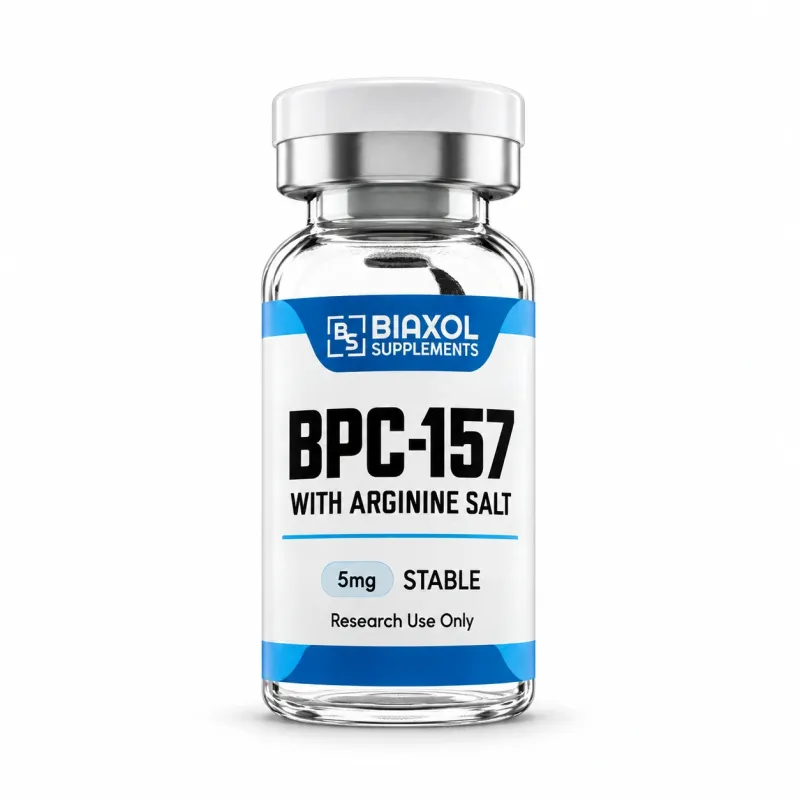
The image represents one available format. Strength and pack size are those selected above.
-25% on everything – until October 31
25% off regular prices, replacing other product sales. Only the crypto payment discount can be combined.
Overview
BPC-157 is a synthetic 15-amino-acid pentadecapeptide derived from the gastric mucosal protein BPC. In vitro studies document interactions with VEGFR2, EGFR, and FAK phosphorylation cascades, with modulation of pro-angiogenic signalling networks. Preclinical in vivo models have examined its effects on nitric oxide synthase activity, extracellular matrix protein expression, and actin cytoskeletal dynamics in connective tissue contexts.
- High Purity – 99% Purity Guaranteed
- Independently Lab Tested
- Research Grade Quality
- For Laboratory Research Use Only
Properties
| Chemical Formula | C68H112N20O24 |
|---|---|
| Synonyms | Body Protection Compound-157, Bepecin, PL 14736 |
| Molar Mass | 1,419.5 g/mol |
| CAS Number | 137525-51-0 |
| PubChem CID | 175763564 |
| Available formats | 5mg 1 vial · 5mg 10 vials · 10mg 1 vial · 10mg 10 vials |
| Shelf Life | 36 months |
Research
BPC-157 is a synthetic pentadecapeptide (Gly-Glu-Pro-Pro-Pro-Gly-Lys-Pro-Ala-Asp-Asp-Ala-Gly-Leu-Val) identified as a partial sequence of the gastric cytoprotective protein BPC. In cell-based assays, BPC-157 potentiates VEGFR2 phosphorylation and downstream ERK1/2 activation, implicating modulation of pro-angiogenic signalling axes. Additional in vitro data indicate upregulation of focal adhesion kinase (FAK) activity and actin cytoskeletal reorganisation, consistent with observed effects on cell migration in scratch-wound models. In preclinical in vivo studies, administration is associated with eNOS expression upregulation, collagen fibril remodelling, and fibroblast proliferation responses — processes of interest across connective tissue biology, angiogenesis research, and extracellular matrix remodelling models. The peptide exhibits stability across physiological pH and is supplied lyophilised for laboratory reconstitution. Independently third-party HPLC-tested; COA available per batch.Lab Results
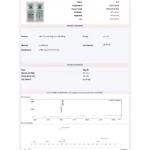
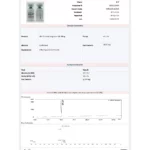
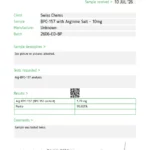
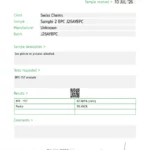
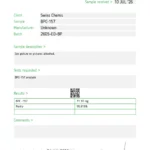
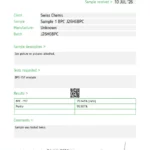
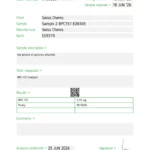
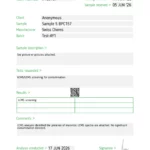
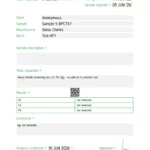
Results refer to the tested sample. Check the batch and date in the report.
FAQ
Why does BPC-157 demonstrate greater stability than many peptide-based research compounds?
BPC-157 contains multiple proline-rich motifs that are believed to contribute to resistance against enzymatic degradation under a range of experimental conditions. This structural characteristic distinguishes it from many peptide-based research compounds and has contributed to interest in its biochemical stability, peptide persistence, and signaling activity in mechanistic investigations.
What is the relationship between BPC-157 and VEGFR2/FAK signaling pathways?
Experimental investigations have reported enhanced VEGFR2 phosphorylation together with increased focal adhesion kinase (FAK) activity and downstream ERK1/2 signaling. These observations have positioned BPC-157 as a useful research tool for studying angiogenic signaling networks, cellular migration processes, cytoskeletal organization, and extracellular matrix-associated pathway regulation.
How does BPC-157 differ from TB-500 in mechanistic research?
BPC-157 and TB-500 are frequently compared because they influence distinct signaling networks. Research involving BPC-157 has focused primarily on VEGFR2, FAK, ERK1/2, eNOS, and extracellular matrix-associated pathways, whereas TB-500 investigations emphasize actin dynamics, cytoskeletal organization, cell migration, and tissue remodeling mechanisms.
Their differing mechanistic profiles make them valuable tools for comparative studies of peptide-mediated signaling and cellular regulatory processes.
Related products
-
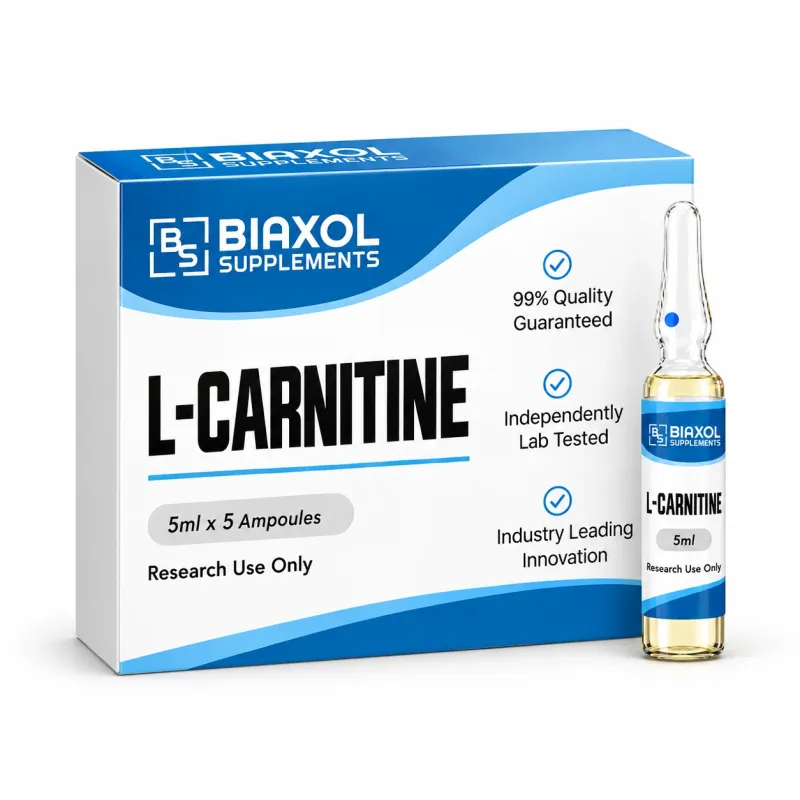 L-carnitine 25 ml (price per box)Add to cartOriginal price was: €59,99.€44,99Current price is: €44,99.
-
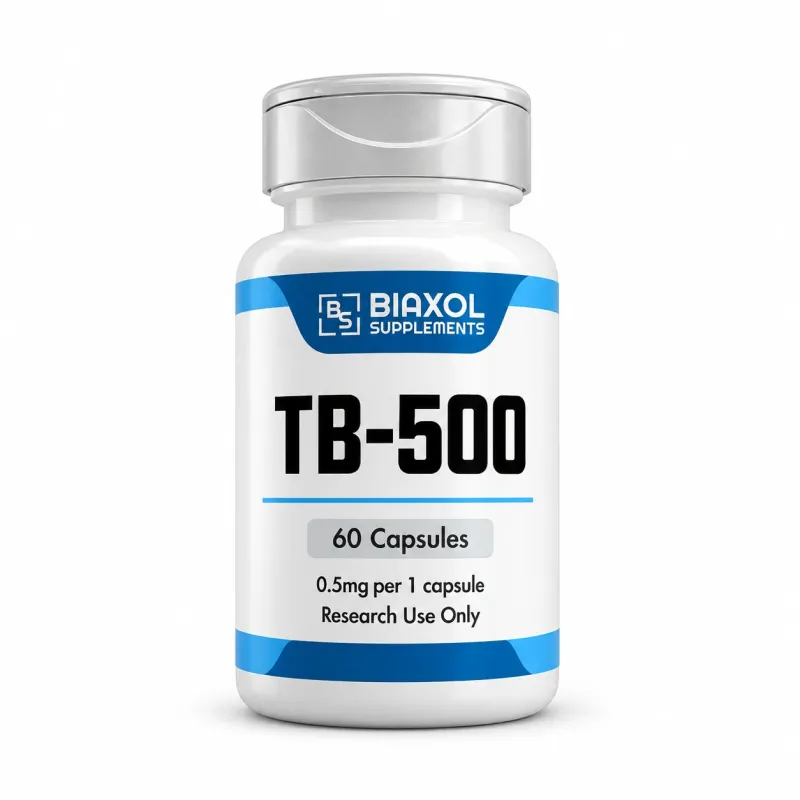 TB-500 (0.5mg/capsule), 60 CapsulesAdd to cartOriginal price was: €254,95.€191,21Current price is: €191,21.