HCG 5000 IU
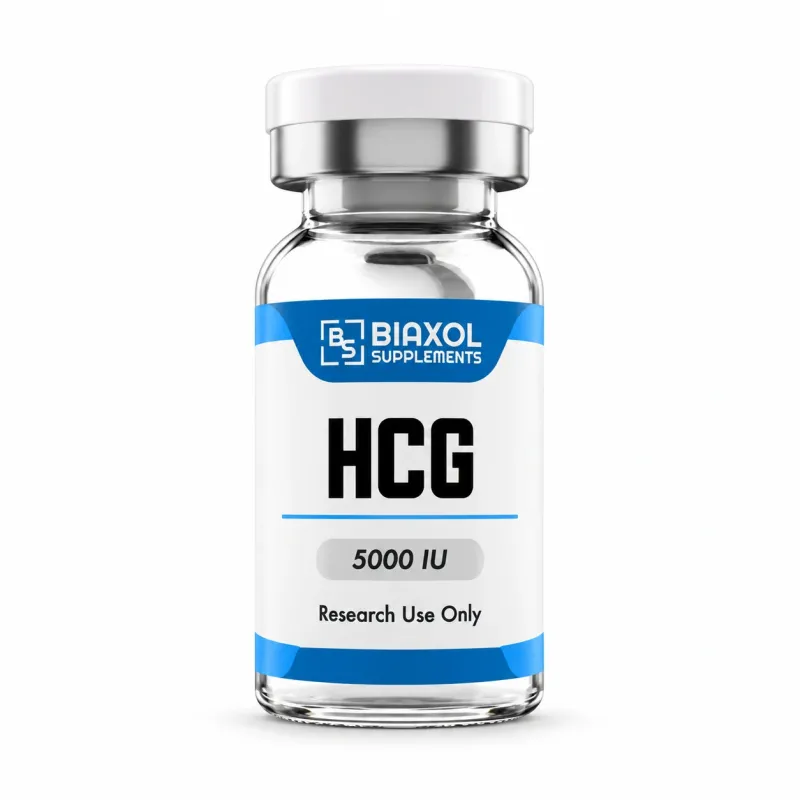
HCG 5000 IU
Human chorionic gonadotropin (hCG) is a heterodimeric glycoprotein produced by trophoblastic tissue during early embryogenesis.
The image represents one available format. Strength and pack size are those selected above.
-25% on everything – until October 31
25% off regular prices, replacing other product sales. Only the crypto payment discount can be combined.
Overview
Human chorionic gonadotropin (hCG) is a heterodimeric glycoprotein produced by trophoblastic tissue during early embryogenesis. The α-subunit is structurally homologous to those of LH, FSH, and TSH; the unique β-subunit confers selective high-affinity binding to LHCGR.
LHCGR engagement activates Gsα-coupled adenylyl cyclase, driving cAMP accumulation and PKA-mediated phosphorylation of downstream steroidogenic targets including CYP11A1, CYP17A1, and 3β-HSD. In preclinical cell-based models, hCG is used to interrogate Leydig cell responsiveness, CYP enzyme induction kinetics, and receptor desensitisation and internalisation dynamics.
The prolonged plasma half-life of hCG relative to LH — attributable to the heavily sialylated β-subunit — makes it a preferred tool for studying sustained LHCGR stimulation versus pulsatile LH receptor engagement in experimental steroidogenesis models. Supplied as freeze-dried lyophilised preparation. Independently third-party HPLC-tested; COA available per batch.
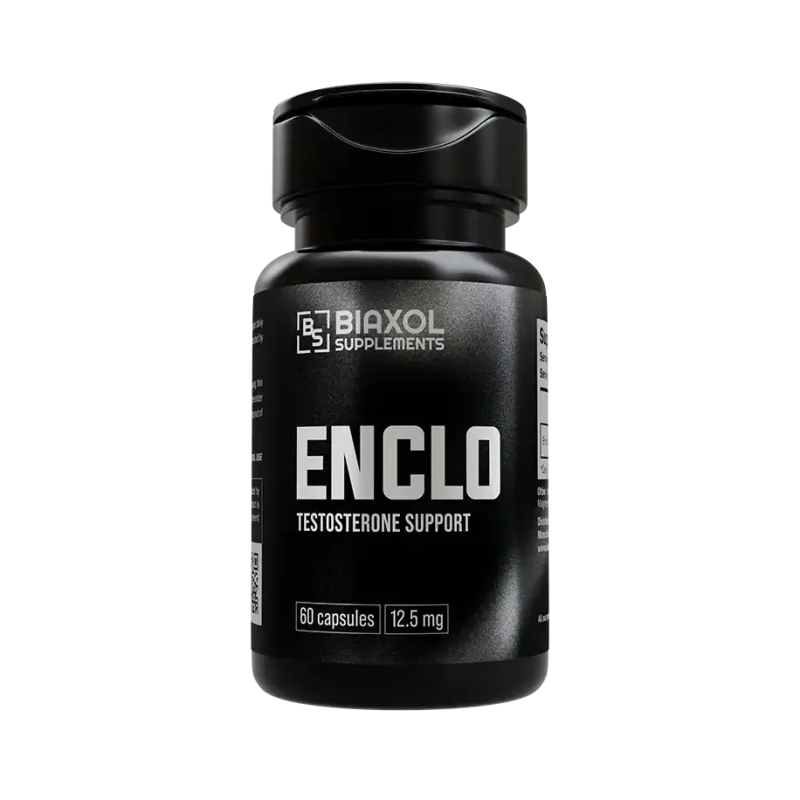
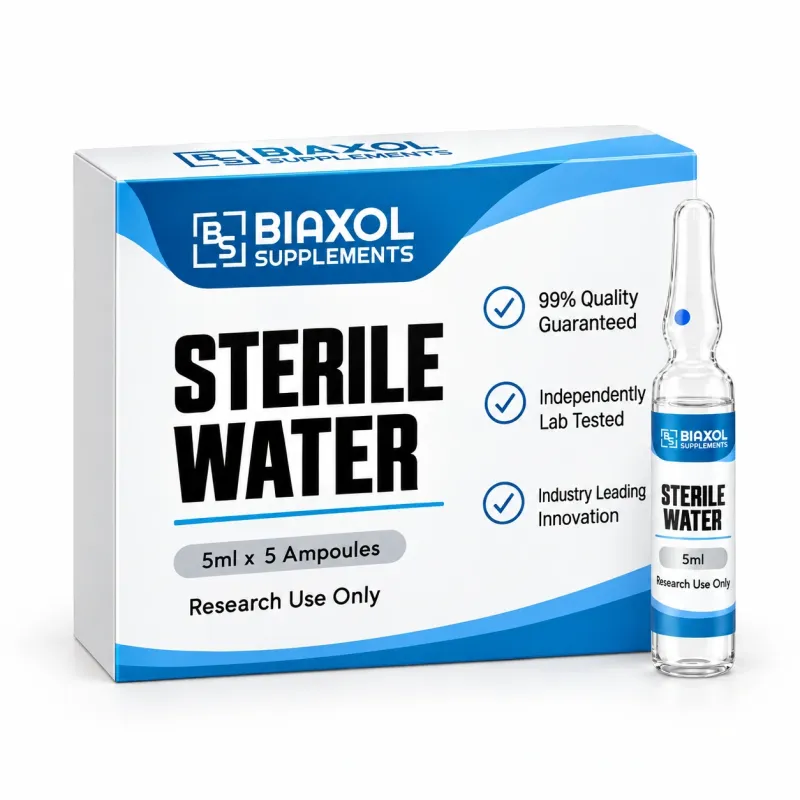
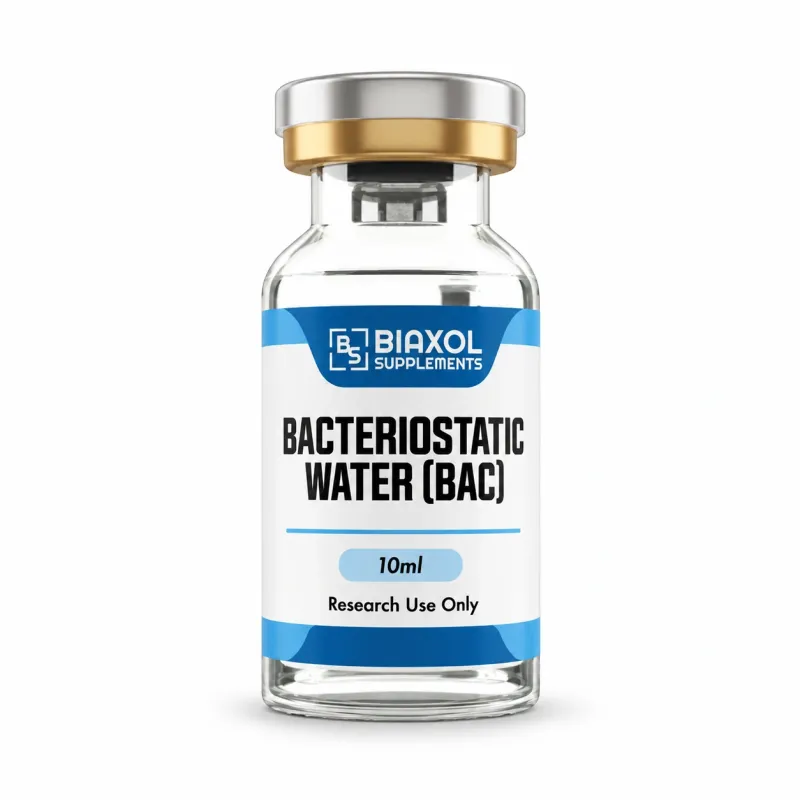
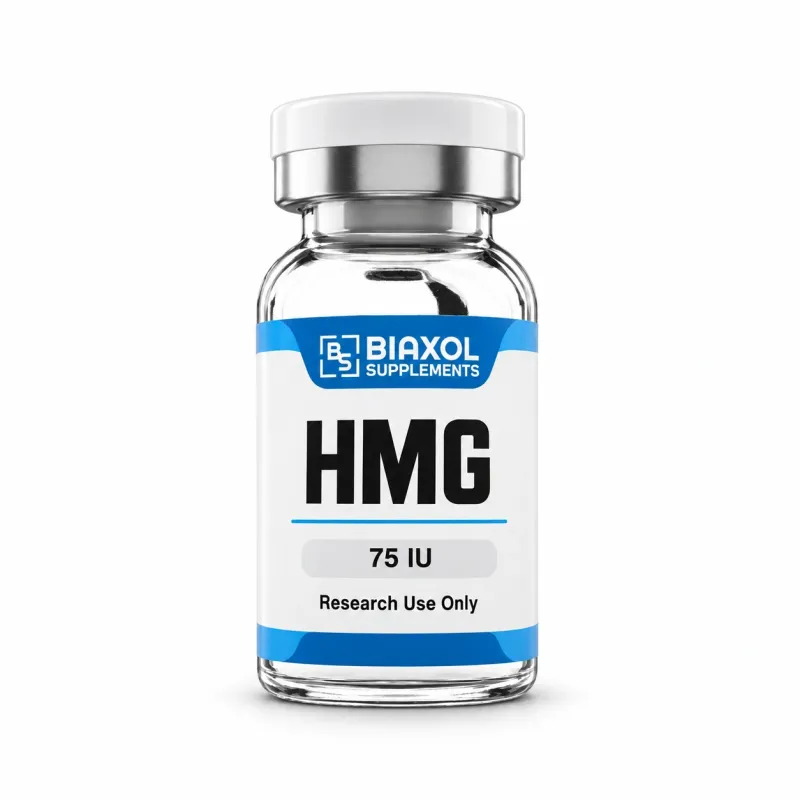
Also available: HMG 75 IU. Reconstitution supplies: Bacteriostatic Water and Sterile Water. Related capsule compounds include Enclomiphene at 12.5mg/capsule.
- High Purity – 99% Purity Guaranteed
- Independently Lab Tested
- Research Grade Quality
- For Laboratory Research Use Only
Properties
| Chemical Formula | C1105H1770N318O336S26 |
|---|---|
| Synonyms | Chorionic gonadotropin, Choriogonin, Gonabion |
| Molar Mass | 36,700 g/mol |
| CAS Number | 9002-61-3 |
| PubChem CID | N/A |
| Available formats | Vial · KIT (10 vials) |
| Shelf Life | 36 months |
Research
Human chorionic gonadotropin (hCG) is a heterodimeric glycoprotein produced by trophoblastic tissue during early embryogenesis. The α-subunit is structurally homologous to those of LH, FSH, and TSH; the unique β-subunit confers selective high-affinity binding to LHCGR. LHCGR engagement activates Gsα-coupled adenylyl cyclase, driving cAMP accumulation and PKA-mediated phosphorylation of downstream steroidogenic targets including CYP11A1, CYP17A1, and 3β-HSD. In preclinical cell-based models, hCG is used to interrogate Leydig cell responsiveness, CYP enzyme induction kinetics, and receptor desensitisation and internalisation dynamics. The prolonged plasma half-life of hCG relative to LH — attributable to the heavily sialylated β-subunit — makes it a preferred tool for studying sustained LHCGR stimulation versus pulsatile LH receptor engagement in experimental steroidogenesis models. Supplied as freeze-dried lyophilised preparation. Independently third-party HPLC-tested; COA available per batch.Lab Results
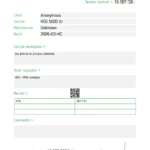
Results refer to the tested sample. Check the batch and date in the report.

FAQ
Why is there no purity percentage on the lab report for hCG?
hCG is a complex glycoprotein hormone, so it behaves differently from synthetic peptides like BPC-157 or Ipamorelin during HPLC testing. Its structure can produce multiple peaks, making a single purity percentage inaccurate.
Instead, its quality is assessed through identity and hormone content, which are more meaningful measures for this product.
Why doesn't the figure on the hCG report match the IU on the label?
IU measures biological activity, while independent laboratory testing measures the amount of hormone by weight. Direct activity testing requires specialized bioassays that are not typically available through independent laboratories.
For hCG, the measured weight is converted to IU using the WHO reference standard. This is a calculated value, not a direct activity measurement, so it may differ from the labeled IU.
In short, these lab reports measure hormone identity and content, not biological potency. Differences from the labeled IU do not necessarily indicate a problem with the batch.
How does hCG differ from LH in receptor binding studies?
hCG and LH share the same receptor (LHCGR) but have significantly different half-lives. hCG's heavily sialylated β-subunit extends its plasma half-life to approximately 24–36 hours versus LH's 20–60 minutes. This makes hCG the preferred tool in preclinical models requiring sustained LHCGR stimulation rather than pulsatile receptor engagement.
What downstream signalling cascade does LHCGR activation initiate?
LHCGR is a Gsα-coupled GPCR. Ligand binding activates adenylyl cyclase, elevating intracellular cAMP and triggering PKA-mediated phosphorylation of downstream steroidogenic targets including CYP11A1, CYP17A1, and 3β-HSD. Parallel Gq/11-mediated IP3/DAG signalling has also been documented in some cell models.
What solvent is used to reconstitute HCG 5000 IU in laboratory protocols?
HCG 5000 IU lyophilisate is reconstituted with bacteriostatic water (BAC water) for laboratory use. The vial should be gently swirled — not vortexed — until fully dissolved. Reconstituted solution should be stored at 4°C and used within laboratory-established stability windows.