Prostamax, 20mg
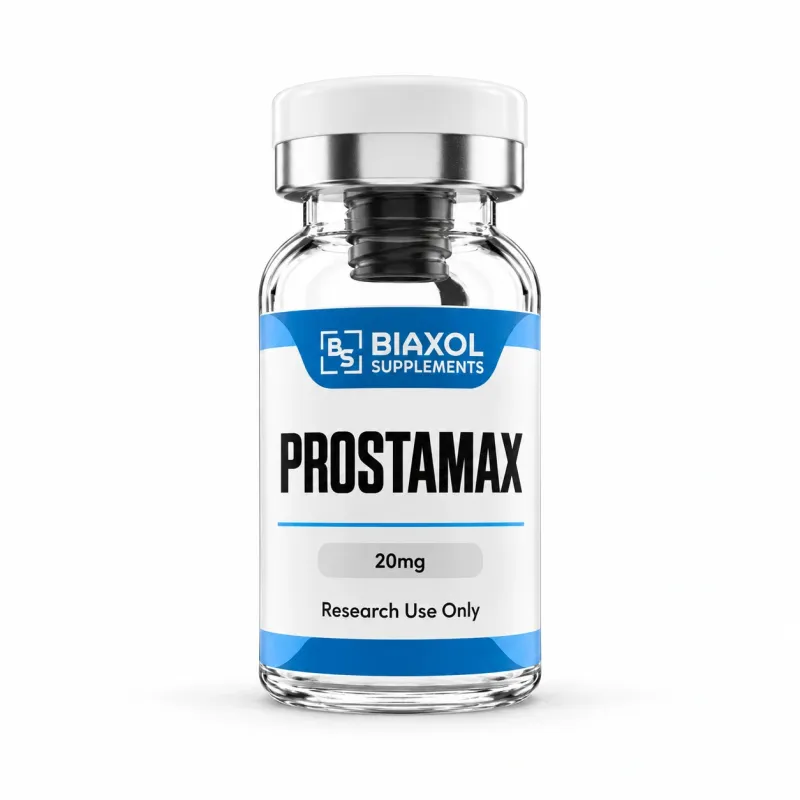
Prostamax, 20mg
Prostamax is a short peptide bioregulator investigated for its interactions with peptide-mediated regulatory pathways and molecular signaling systems.
-25% sur tout – jusqu’au 31 octobre
25% sur les prix habituels, en remplacement des autres soldes. Cumulable uniquement avec la remise crypto.
Présentation
Prostamax is a short peptide bioregulator investigated for its interactions with peptide-mediated regulatory pathways and molecular signaling systems. Experimental studies have examined its activity in transcription-associated processes, chromatin-interaction models, peptide–DNA binding investigations, and signal transduction research.
Its low-molecular-weight peptide structure makes it a useful tool for studies of peptide bioregulator pharmacology, molecular regulatory mechanisms, transcription-associated signaling pathways, and comparative investigations of short regulatory peptide compounds.
- High Purity – 99% Purity Guaranteed
- Independently Lab Tested
- Research Grade Quality
- For Laboratory Research Use Only
Propriétés
| Chemical Formula | C20H33N5O9 |
|---|---|
| Synonyms | SCHEMBL6660498 |
| Molar Mass | 487.5 g/mol |
| PubChem CID | 9848296 |
| Total Compound Content | 20 mg per vial |
| Shelf Life | 36 months |
Recherche
Prostamax is a short peptide bioregulator containing the Lys-Glu dipeptide sequence and investigated for its interactions with molecular regulatory systems and peptide-mediated signaling pathways. Experimental studies have examined its activity in chromatin-interaction models, peptide–DNA binding investigations, transcription-associated processes, and regulatory signaling mechanisms. Proposed molecular activities include interactions with chromatin-associated protein complexes, modulation of transcriptional processes, and peptide-mediated regulation of signaling networks. Its low-molecular-weight peptide structure makes it a valuable research tool for studies of peptide bioregulator pharmacology, chromatin-associated mechanisms, molecular signaling pathways, transcriptional modulation, and comparative investigations of short regulatory peptides. Independently third-party HPLC-tested; COA available per batch.FAQ
What is the proposed mechanism of action of peptide bioregulators such as Prostamax?
A proposed mechanism for short peptide bioregulators involves interactions with chromatin-associated regulatory systems and transcription-related molecular pathways.
Experimental investigations have examined whether short peptide sequences can interact with DNA-protein complexes, influence chromatin architecture, and modulate transcription-associated processes through peptide-mediated molecular recognition mechanisms.
This proposed mode of action remains an active area of investigation and continues to be explored through studies of peptide–DNA interactions, chromatin dynamics, and transcriptional regulation.
How does Prostamax relate to other short peptide bioregulators?
Prostamax belongs to a broader class of short peptide bioregulators that share common characteristics, including low molecular weight, short amino acid sequences, and proposed activity within molecular regulatory systems. Comparative investigations frequently examine differences in peptide sequence composition, chromatin-interaction profiles, signaling pathway modulation, and transcription-associated effects to better understand structure-activity relationships across this class of compounds.
What experimental evidence has been reported for Prostamax's molecular activity?
Published investigations have reported effects on transcription-associated processes, peptide-mediated regulatory pathways, chromatin-interaction models, and molecular signaling mechanisms. These findings have contributed to ongoing research into short peptide bioregulator pharmacology and the proposed role of regulatory peptides in modulating molecular signaling networks.
As with many compounds in this category, further mechanistic investigation and independent validation remain important areas of continued research.
Produits similaires
-
 OS-01 100mg/30capsAjouter au panierLe prix initial était : €220,00.€165,00Le prix actuel est : €165,00.