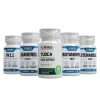
Healing Research Bundle
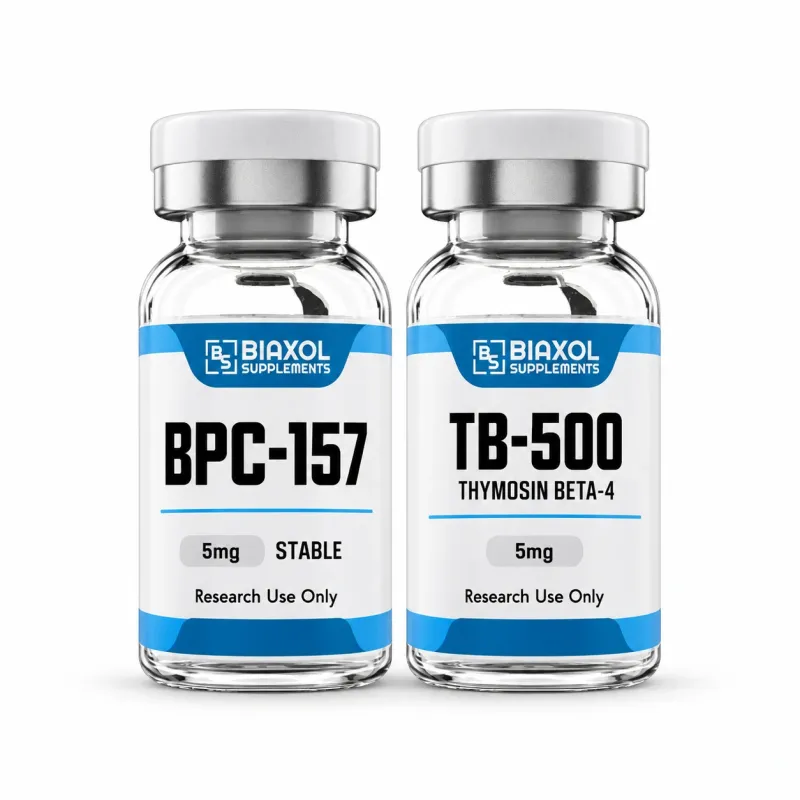
Healing Research Bundle
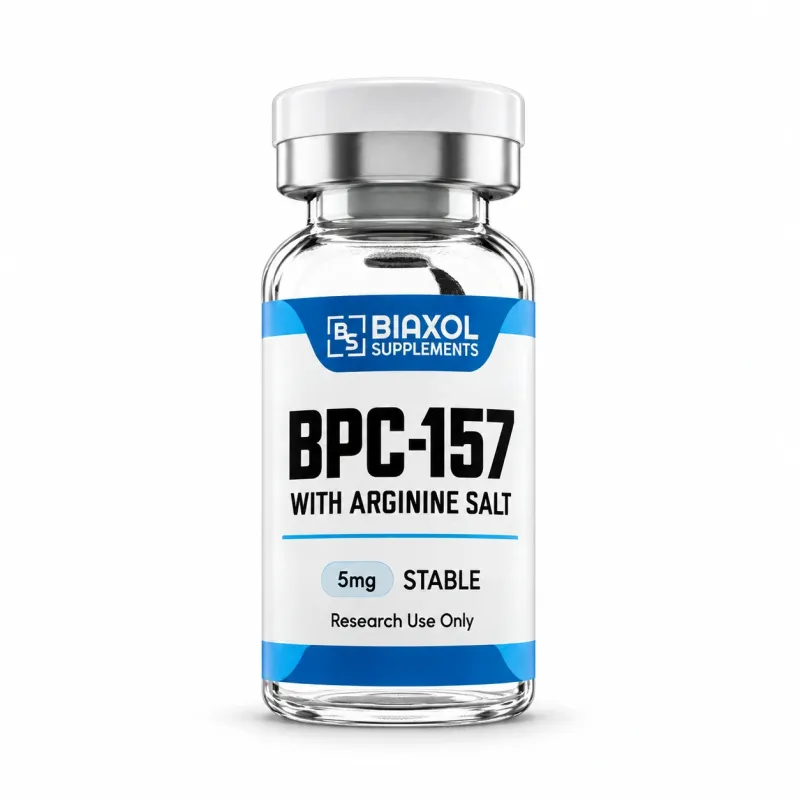
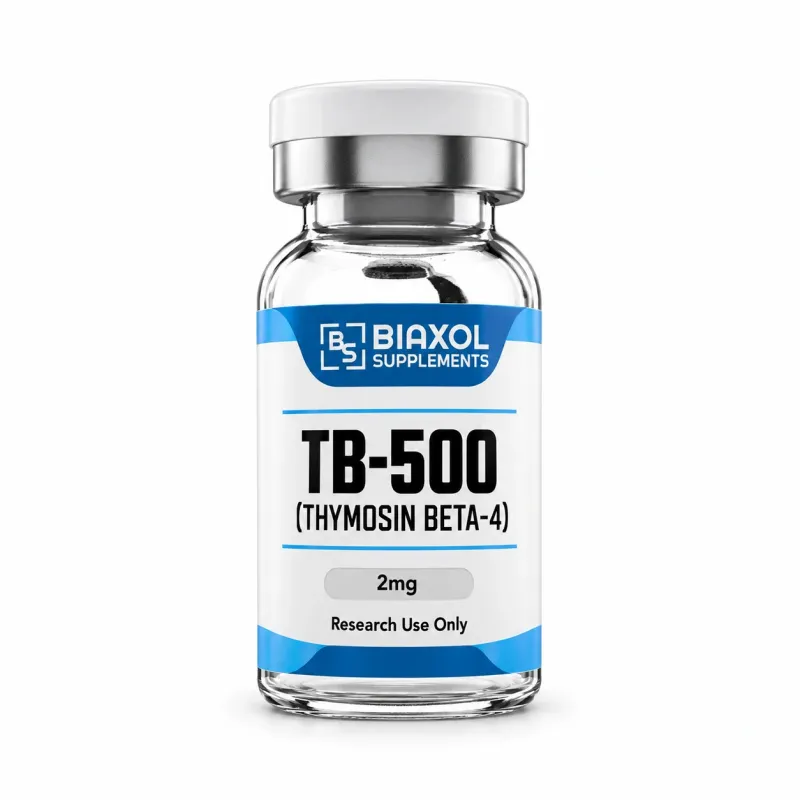
The Healing Research Bundle combines two synthetic peptide compounds frequently studied together in tissue-repair pathway research: TB-500 (Thymosin Beta-4) and BPC-157 with Arginine Salt.
-25% sur tout – jusqu’au 31 octobre
25% sur les prix habituels, en remplacement des autres soldes. Cumulable uniquement avec la remise crypto.
Contenu du lot
Présentation
The Healing Research Bundle combines two synthetic peptide compounds frequently studied together in tissue-repair pathway research: TB-500 (Thymosin Beta-4) and BPC-157 with Arginine Salt.
Each peptide is examined individually for distinct molecular mechanisms, with combined research models allowing investigation into how actin-binding and cytoprotective pathways may intersect in experimental tissue-repair models. Research applications include comparative peptide pathway studies, tissue-repair signalling research, and multi-compound experimental protocol design.
- High Purity – 99% Purity Guaranteed
- Independently Lab Tested
- Research Grade Quality
- For Laboratory Research Use Only
Propriétés
| Synonyms | Healing Research Bundle |
|---|---|
| Shelf Life | 36 months |
Recherche
This bundle pairs TB-500 (Thymosin Beta-4), a synthetic peptide segment studied for actin-binding properties and cellular signalling mechanisms relevant to tissue-repair pathway research, with BPC-157 with Arginine Salt, a synthetic pentadecapeptide compound studied for its proposed cytoprotective and angiogenic signalling properties in laboratory models. Combined research protocols using both peptides allow investigation into whether their distinct proposed mechanisms produce additive or synergistic effects in tissue-repair pathway models, a common research design in comparative peptide pharmacology. Each compound is independently third-party HPLC-tested; COA available per batch.FAQ
Why are TB-500 and BPC-157 frequently studied together in tissue-repair pathway research?
TB-500 and BPC-157 are studied for distinct but potentially complementary mechanisms relevant to tissue-repair pathway research: TB-500 for actin-binding and cell migration signalling, and BPC-157 for cytoprotective and angiogenic pathway modulation. Combined research protocols allow investigators to examine whether co-administration produces additive effects on tissue-repair-relevant endpoints compared to either compound studied in isolation.
What experimental models are used to study this peptide combination's effects on tissue-repair pathways?
Cell migration and wound-closure assays (such as scratch assays in fibroblast or endothelial cell cultures) are standard in vitro models for studying this combination's proposed tissue-repair pathway effects, typically comparing single-compound versus combined-compound treatment conditions. Rodent models of induced tissue injury provide a complementary in vivo system for examining combined effects on healing-relevant endpoints such as collagen deposition and angiogenesis markers.
How should researchers design comparative studies using this bundle versus single-compound protocols?
Comparative experimental designs typically include parallel treatment arms (TB-500 alone, BPC-157 alone, and the combination) alongside vehicle controls, allowing researchers to distinguish independent compound effects from any combination-specific outcomes. Matched dosing and timing across arms, along with consistent tissue-repair endpoint measurements, are essential for interpretable comparative data.
Produits similaires
-
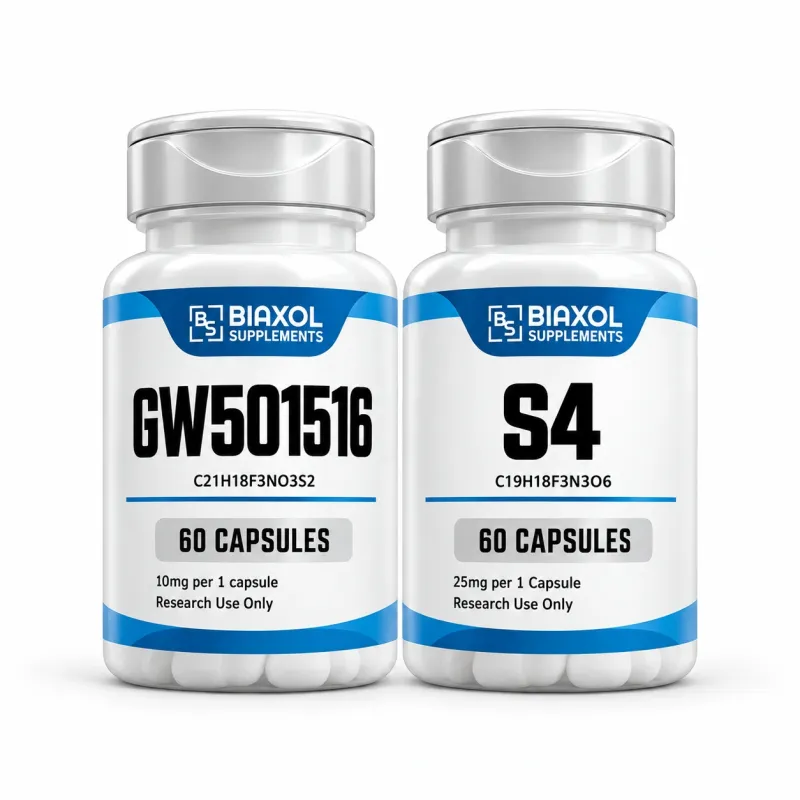 S4 Andarine + GW-501516 Cardarine StackAjouter au panierLe prix initial était : €161,90.€121,43Le prix actuel est : €121,43.
-
 Longevity Research BundleAjouter au panierLe prix initial était : €135,98.€101,99Le prix actuel est : €101,99.