












Liothyronine T3 (0.05mg/60caps)
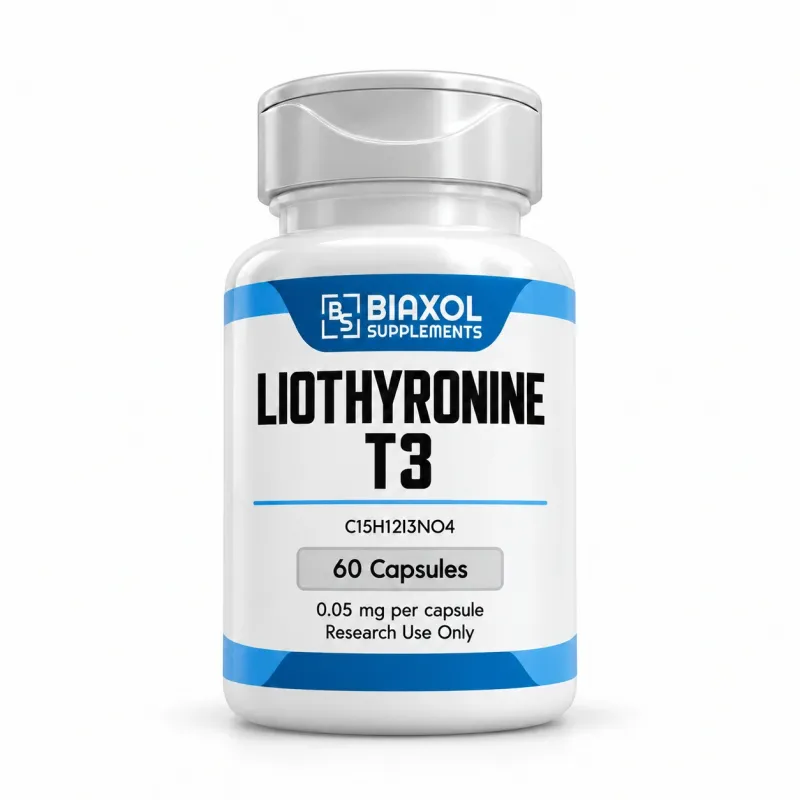
Liothyronine T3 (0.05mg/60caps)
Liothyronine (T3, triiodothyronine) is a thyroid hormone receptor agonist that interacts with thyroid hormone receptor alpha (TRα) and thyroid hormone receptor beta (TRβ), members of the nuclear receptor superfamily.
-25% sur tout – jusqu’au 31 octobre
25% sur les prix habituels, en remplacement des autres soldes. Cumulable uniquement avec la remise crypto.
Présentation
Liothyronine (T3, triiodothyronine) is a thyroid hormone receptor agonist that interacts with thyroid hormone receptor alpha (TRα) and thyroid hormone receptor beta (TRβ), members of the nuclear receptor superfamily.
Upon receptor binding, T3 regulates transcription through thyroid hormone response elements (TREs), influencing gene expression programs controlled by ligand-activated nuclear receptor signaling.
Experimental investigations have examined its interactions with transcriptional regulatory mechanisms, receptor-cofactor recruitment processes, chromatin-associated signaling pathways, and nuclear receptor-mediated gene regulation.
Research applications include thyroid hormone receptor pharmacology, TRα/TRβ receptor signaling investigation, nuclear receptor biology, transcriptional regulation studies, and mechanistic evaluation of thyroid hormone receptor-associated regulatory networks.
- High Purity – 99% Purity Guaranteed
- Independently Lab Tested
- Research Grade Quality
- For Laboratory Research Use Only
Propriétés
| Chemical Formula | C15H12I3NO4 |
|---|---|
| Synonyms | Triiodothyronine, L-Triiodothyronine, 3,3',5-Triiodo-L-thyronine, Cytomel (trade name) |
| Molar Mass | 650.97 g/mol |
| CAS Number | 6893-02-3 |
| PubChem CID | 5920 |
| Total Compound Content | 3 mg (0.05 mg per capsule) |
| Shelf Life | 36 months |
Recherche
Liothyronine (L-3,3',5-triiodothyronine) is a thyroid hormone receptor agonist that interacts with thyroid hormone receptor alpha (TRα) and thyroid hormone receptor beta (TRβ), members of the nuclear receptor superfamily. Upon receptor binding, T3–TR complexes heterodimerize with retinoid X receptor (RXR) and bind thyroid response elements (TREs), regulating transcription through ligand-dependent nuclear receptor signaling mechanisms. Experimental investigations have examined its interactions with receptor-cofactor recruitment processes, transcriptional control systems, chromatin-associated regulatory pathways, and nuclear receptor-mediated gene expression networks. The distinct receptor interaction profile of T3 makes it a valuable research tool for studies of thyroid hormone receptor pharmacology, TRα/TRβ signaling, nuclear receptor biology, transcriptional regulation, and mechanistic evaluation of thyroid hormone receptor-associated regulatory systems. Supplied in 0.05 mg capsules. Independently third-party HPLC-tested; COA available per batch.Résultats de laboratoire
Results refer to the tested sample. Check the batch and date in the report.
FAQ
What is the difference between T3 (liothyronine) and T4 (levothyroxine) in thyroid hormone receptor research?
T3 and T4 are structurally related thyroid hormone receptor ligands that differ in receptor interaction characteristics and their roles within thyroid hormone signaling systems.
T3 is commonly used as a reference agonist in thyroid hormone receptor pharmacology studies, while T4 is frequently investigated in studies examining thyroid hormone metabolism, precursor-product relationships, and enzyme-mediated transformation processes.
Comparative investigations of T3 and T4 provide valuable insight into thyroid hormone receptor signaling, ligand-receptor interactions, and transcriptional regulatory mechanisms.
What are the TRα and TRβ receptor subtypes, and why are they important in research?
TRα and TRβ are distinct thyroid hormone receptor isoforms encoded by separate genes within the nuclear receptor superfamily.
Although both receptors interact with thyroid hormones, they exhibit different regulatory characteristics and signaling profiles, making them valuable targets for investigations of receptor subtype pharmacology, transcriptional regulation, cofactor recruitment, and ligand-selective signaling mechanisms.
T3 serves as a useful reference compound for comparative studies of TRα- and TRβ-mediated receptor activity.
Why is liothyronine commonly used in thyroid hormone receptor pharmacology studies?
Liothyronine is a well-characterized thyroid hormone receptor agonist widely utilized for investigating TRα and TRβ signaling pathways. Experimental studies employ T3 to examine receptor activation mechanisms, nuclear receptor biology, transcriptional regulation, ligand-receptor interactions, and thyroid hormone response element (TRE)-mediated gene regulation.
Its established receptor pharmacology makes it a valuable tool for mechanistic studies of thyroid hormone receptor-associated signaling systems.
Les excipients de la gélule ne sont pas précisés dans la documentation disponible.
Produits similaires
-
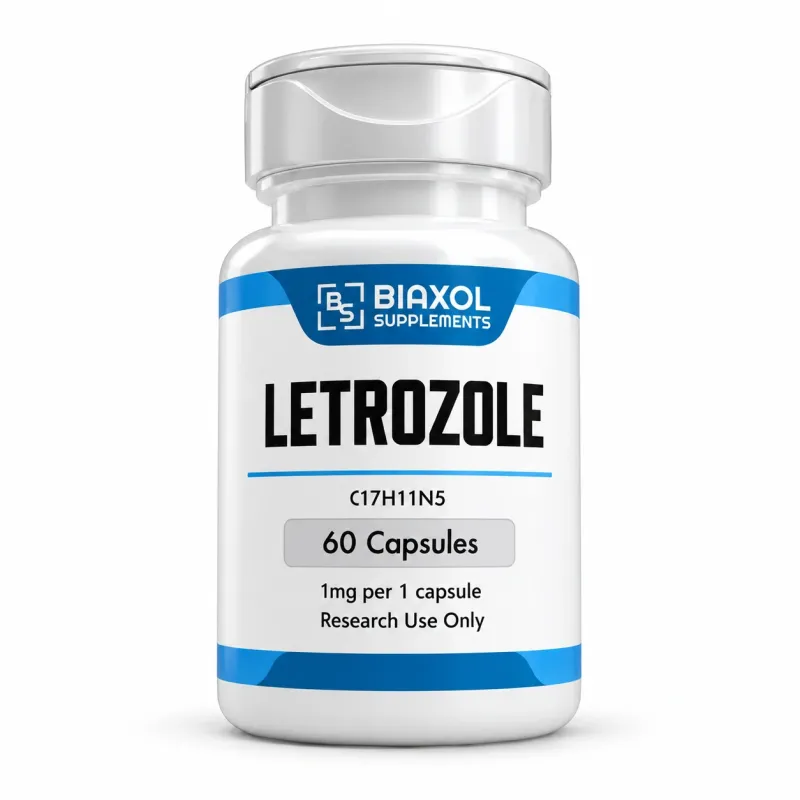 Letrozole (1mg/capsule), 60 CapsulesAjouter au panierLe prix initial était : €77,95.€58,46Le prix actuel est : €58,46.
-
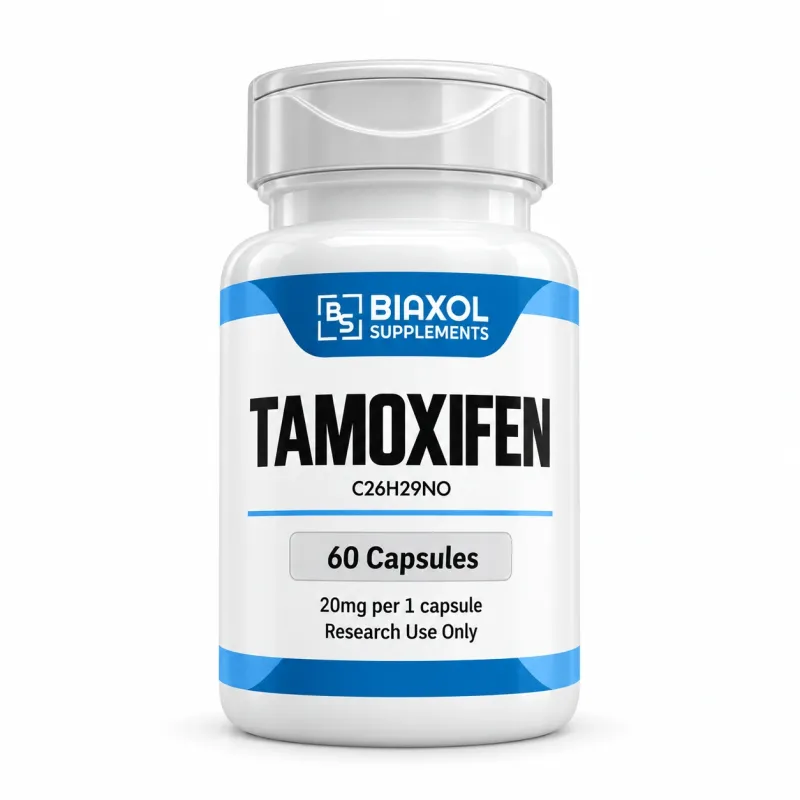 Tamoxifen (20mg/capsule), 60 CapsulesAjouter au panierLe prix initial était : €111,95.€83,96Le prix actuel est : €83,96.
-
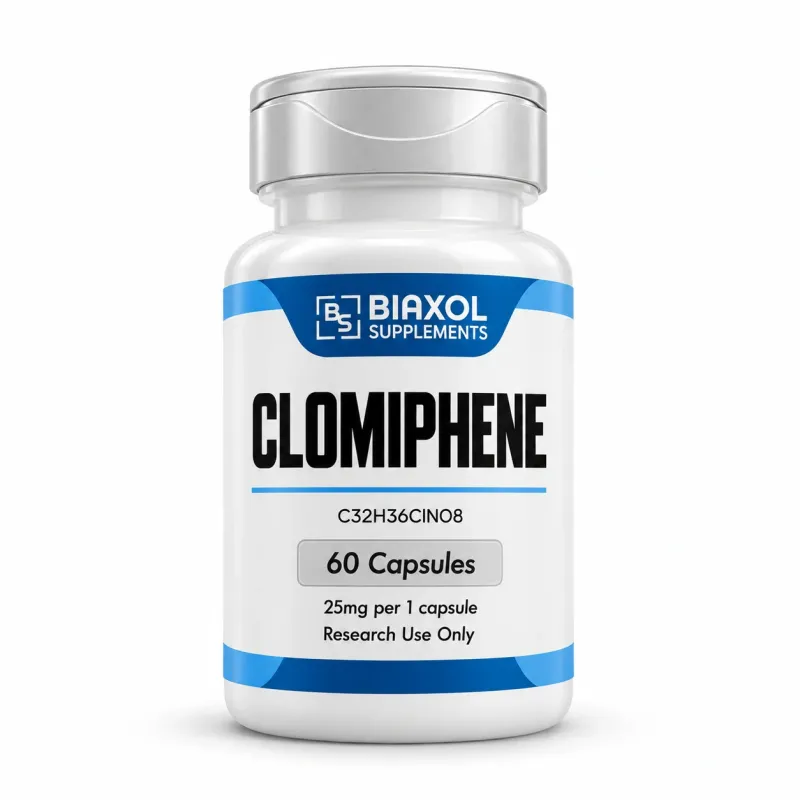 Clomiphene, 1500mg (25mg/capsule)Ajouter au panierLe prix initial était : €79,95.€59,96Le prix actuel est : €59,96.
-
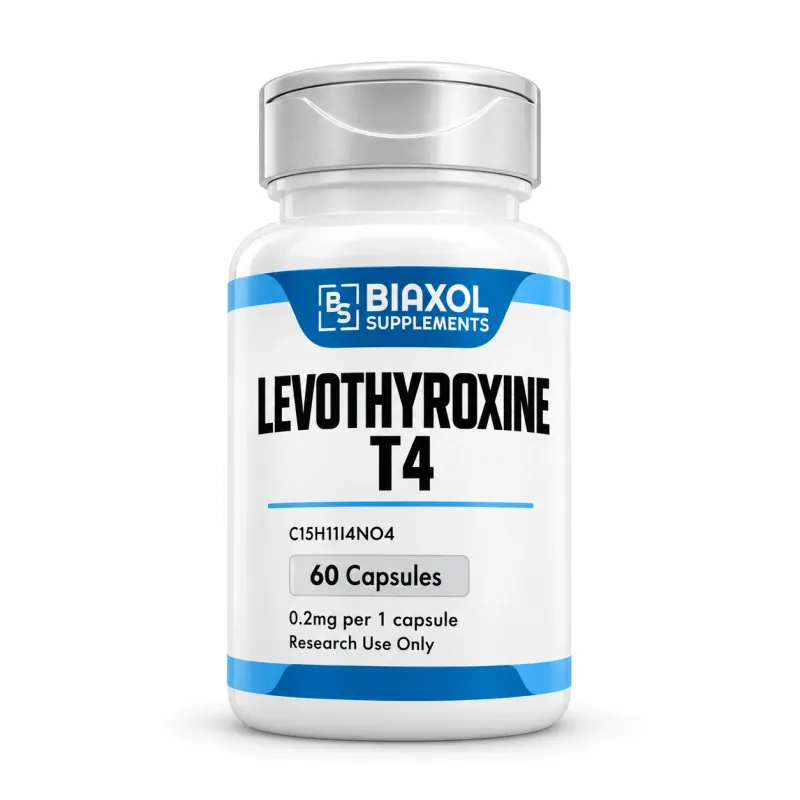 Levothyroxine T4 (0.2mg/60caps)Ajouter au panierLe prix initial était : €59,95.€44,96Le prix actuel est : €44,96.