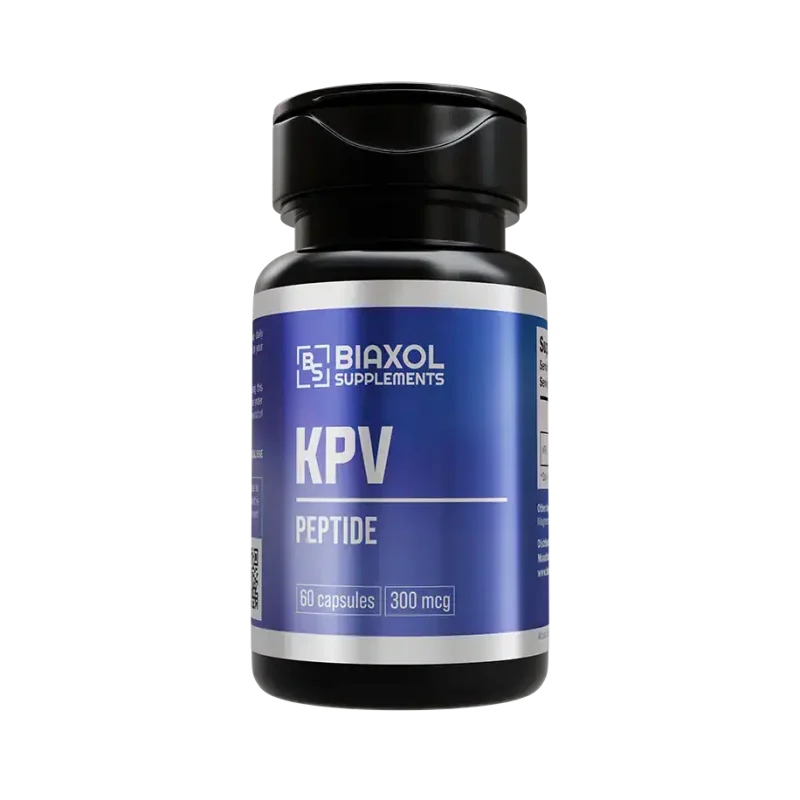
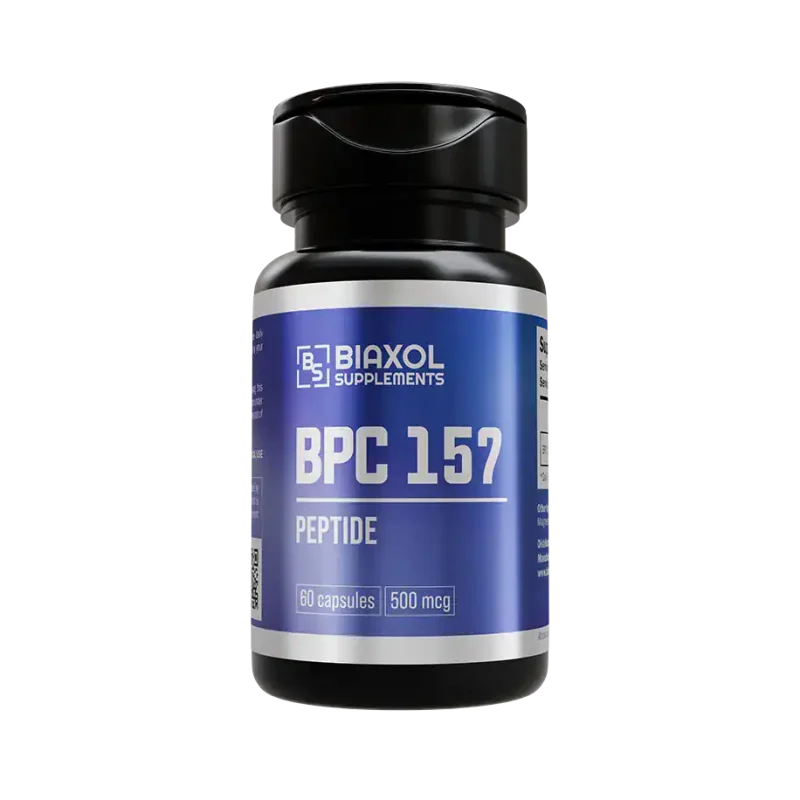
Ipamorelin 2mg
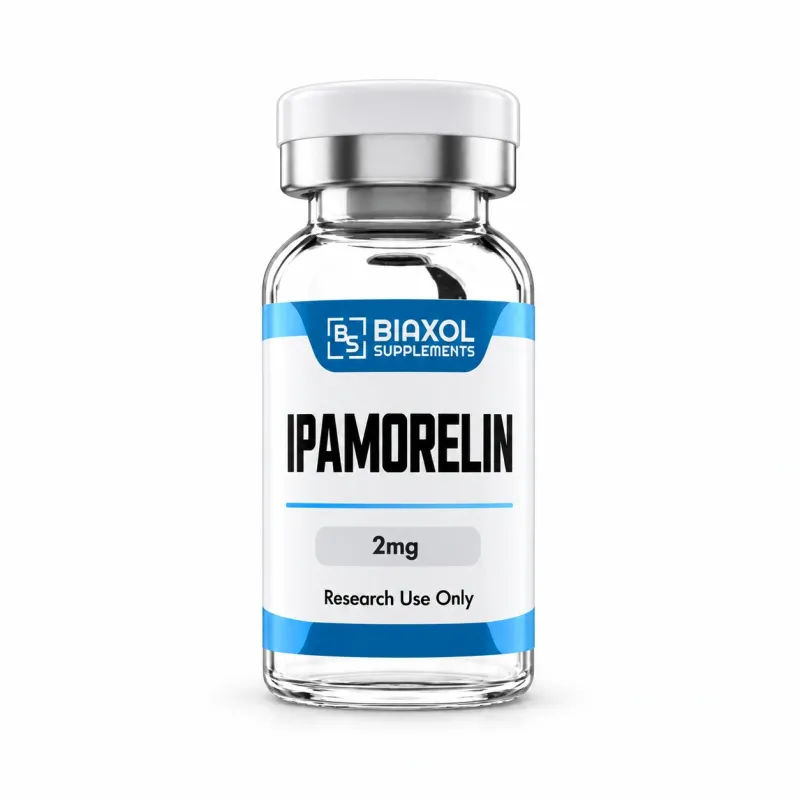
Ipamorelin 2mg
Ipamorelin is a synthetic pentapeptide and highly selective agonist of the growth hormone secretagogue receptor subtype 1a (GHS-R1a).
L’image présente un des formats disponibles. Le dosage et le conditionnement correspondent à la sélection ci-dessus.
-25% sur tout – jusqu’au 31 octobre
25% sur les prix habituels, en remplacement des autres soldes. Cumulable uniquement avec la remise crypto.
Présentation
Ipamorelin is a synthetic pentapeptide and highly selective agonist of the growth hormone secretagogue receptor subtype 1a (GHS-R1a). The compound is characterized by strong receptor selectivity and a well-defined pharmacological profile, making it a useful tool for investigating GHS-R1a-mediated signal transduction and ligand-receptor interactions.
Research applications include GHS-R1a pharmacology, receptor activation kinetics, signaling pathway characterization, structure-activity relationship investigations, and comparative analyses of growth hormone secretagogue receptor ligands.
- High Purity – 99% Purity Guaranteed
- Independently Lab Tested
- Research Grade Quality
- For Laboratory Research Use Only
Données moléculaires sur PubChem
Propriétés
| Chemical Formula | C38H49N9O5 |
|---|---|
| Synonyms | 2-Methylalanyl-L-histidyl-3-(2-naphthyl)-D-alanyl-D-phenylalanyl-L-lysinamide, 170851-70-4, C38H49N9O5, CHEMBL58547, SCHEMBL183305, SCHEMBL8169698, MolPort-039-139-953, 5020AF, ZINC29562299, AKOS030573449, DB12370, NCGC00167295-01, FT-0696037 |
| Molar Mass | 711.9 g/mol |
| CAS Number | 170851-70-4 |
| PubChem CID | 9831659 |
| Formats disponibles | 1 vial · KIT (10 vials) |
| Shelf Life | 36 months |
Recherche
Ipamorelin is a synthetic pentapeptide (Aib-His-D-2Nal-D-Phe-Lys-NH2) and highly selective agonist of the growth hormone secretagogue receptor subtype 1a (GHS-R1a). Its defining pharmacological characteristic is a high degree of receptor selectivity relative to earlier growth hormone secretagogue receptor ligands, making it a valuable tool for investigating GHS-R1a-mediated signaling pathways and ligand-receptor interactions. Activation of GHS-R1a by Ipamorelin initiates Gq/11-coupled phospholipase C signaling, resulting in IP3 and DAG second-messenger generation, intracellular calcium mobilization, and downstream signal transduction events. Pharmacokinetic investigations have characterized the compound's receptor engagement profile and elimination dynamics in experimental systems. Research applications include GHS-R1a pharmacology, receptor activation kinetics, signal transduction characterization, structure-activity relationship investigations, and comparative analyses of selective growth hormone secretagogue receptor ligands. Supplied as a lyophilized preparation (2 mg/vial). Independently third-party HPLC-tested; COA available per batch.Résultats de laboratoire
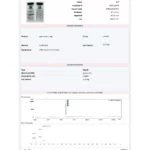
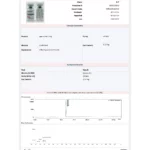
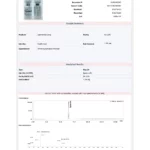
Results refer to the tested sample. Check the batch and date in the report.

FAQ
What makes Ipamorelin more selective than other GHS-R1a agonists?
Ipamorelin is characterized by a highly selective interaction with GHS-R1a and a well-defined pharmacological profile relative to earlier growth hormone secretagogue receptor ligands. This selectivity makes it a valuable research tool for investigating GHS-R1a-mediated signaling pathways, receptor activation kinetics, and ligand-receptor interactions without the broader receptor activity observed with less selective secretagogues.
What is the pharmacokinetic profile of Ipamorelin?
Pharmacokinetic investigations have reported a relatively short elimination profile compared with longer-acting GHS-R1a agonists. This characteristic makes Ipamorelin useful for studies examining receptor engagement dynamics, activation kinetics, signal transduction timing, and the temporal aspects of GHS-R1a-mediated signaling.
How does Ipamorelin compare with GHRH analogues in receptor pharmacology research?
Ipamorelin and GHRH analogues interact with distinct receptor systems and signaling pathways. Ipamorelin acts through GHS-R1a, whereas compounds such as CJC-1295 and Sermorelin target the growth hormone-releasing hormone receptor (GHRHR). Comparative investigations utilize these compounds to examine differences in receptor activation mechanisms, downstream signaling architecture, ligand selectivity, and pathway-specific signal transduction.
Produits similaires
-
 OS-01 100mg/30capsAjouter au panierLe prix initial était : €220,00.€165,00Le prix actuel est : €165,00.
-
 SLU-PP-332 PeptideAjouter au panierLe prix initial était : €100,00.€75,00Le prix actuel est : €75,00.