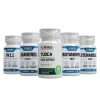


Brain Research Bundle
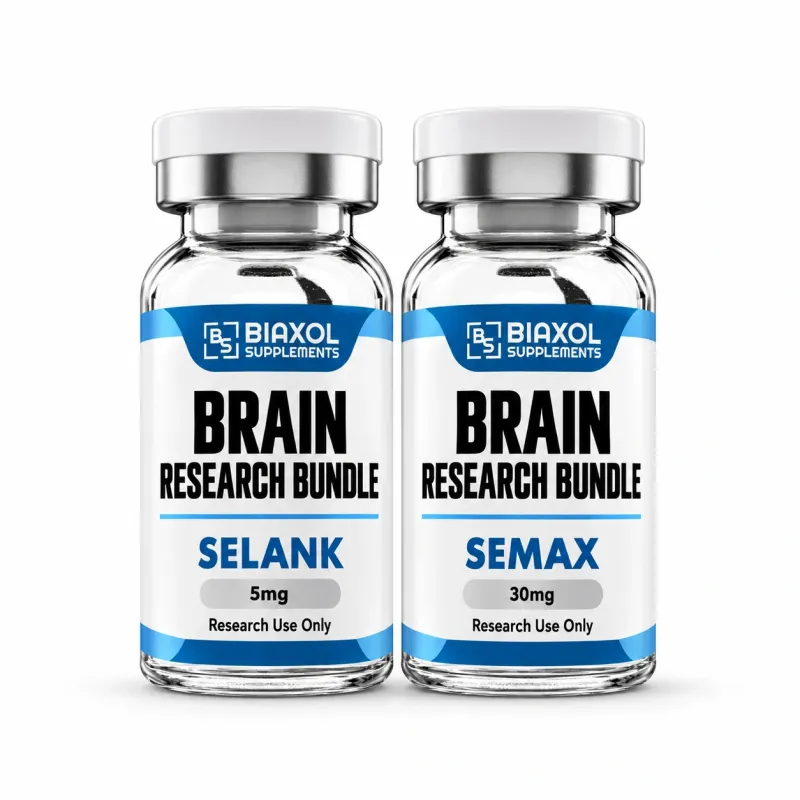
Brain Research Bundle
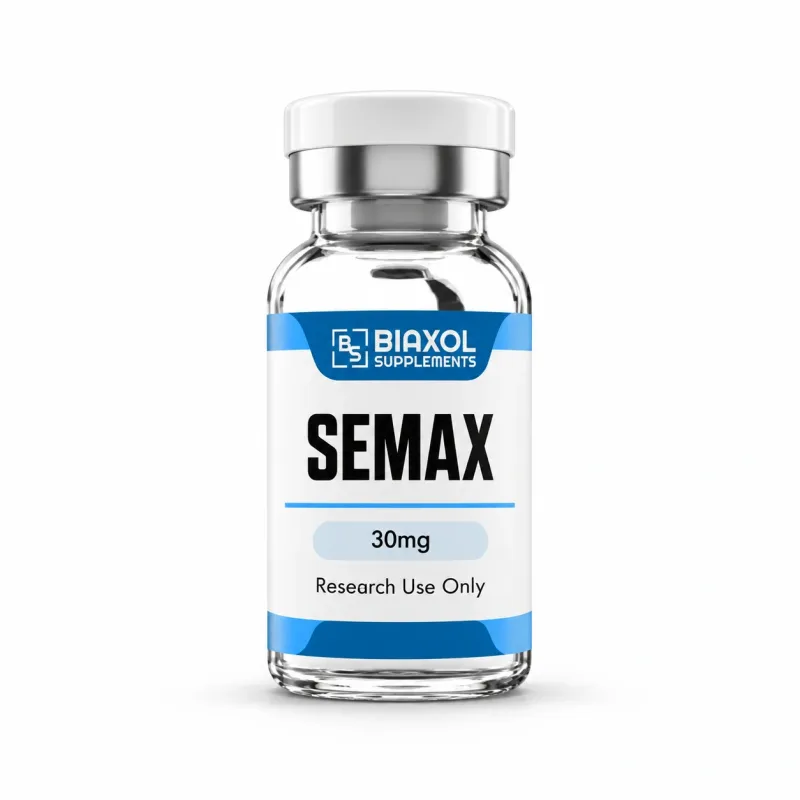
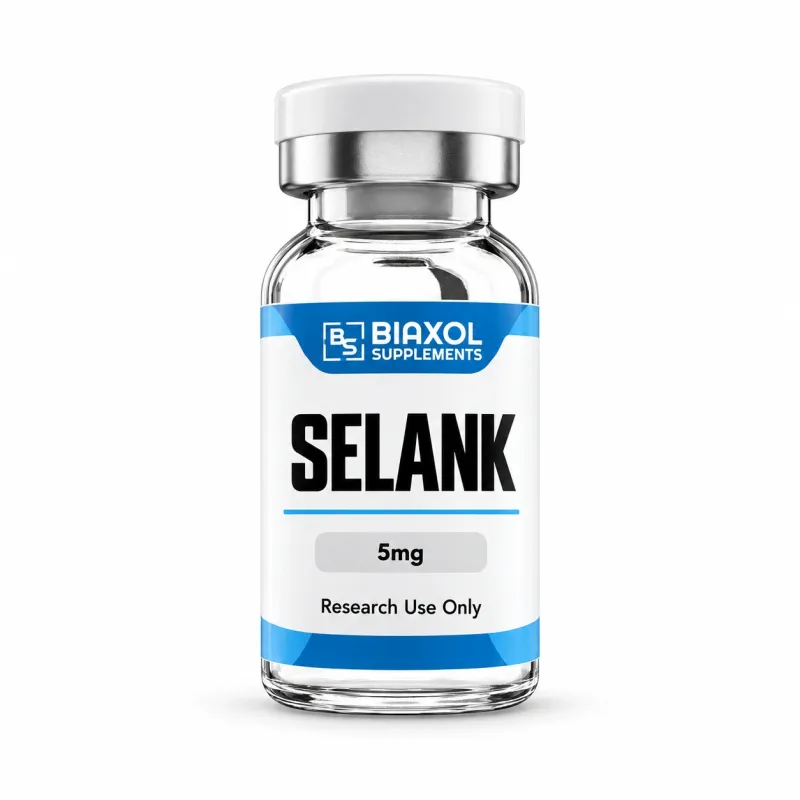
The Brain Research Bundle pairs two synthetic peptide compounds, Semax and Selank, frequently studied together in neurological signalling pathway research.
-25% sur tout – jusqu’au 31 octobre
25% sur les prix habituels, en remplacement des autres soldes. Cumulable uniquement avec la remise crypto.
Contenu du lot
Présentation
The Brain Research Bundle pairs two synthetic peptide compounds, Semax and Selank, frequently studied together in neurological signalling pathway research. Semax is studied for its proposed interactions with specific molecular pathways relevant to neurotrophic signalling, while Selank, a heptapeptide derived from modification of the tuftsin sequence, is studied for its receptor binding properties.
Research applications include comparative neuropeptide pathway studies and combined-protocol neurological signalling research.
- High Purity – 99% Purity Guaranteed
- Independently Lab Tested
- Research Grade Quality
- For Laboratory Research Use Only
Propriétés
| Synonyms | Brain Research Bundle |
|---|---|
| Shelf Life | 36 months |
Recherche
This bundle combines Semax, a synthetic peptide with the molecular sequence Met-Glu-His-Phe-Pro-Gly-Pro studied for interactions with specific neurological signalling pathways, and Selank, a synthetic heptapeptide (Thr-Lys-Pro-Arg-Pro-Gly-Pro) derived from modification of the tuftsin sequence and studied for distinct receptor binding properties in controlled experimental conditions. Combined research protocols examining both peptides allow investigation into whether their proposed mechanisms produce complementary effects across neurological signalling endpoints, a common approach in comparative neuropeptide research. Each compound is independently third-party HPLC-tested; COA available per batch.FAQ
What distinguishes Semax and Selank's proposed mechanisms in neurological signalling research?
Semax (Met-Glu-His-Phe-Pro-Gly-Pro) and Selank (Thr-Lys-Pro-Arg-Pro-Gly-Pro) are structurally distinct synthetic peptides studied for different proposed mechanisms: Semax for interactions with neurotrophic signalling pathways and Selank, a tuftsin-derived heptapeptide, for distinct receptor binding properties. Comparative research using both compounds allows investigators to examine whether their differing structural and mechanistic profiles produce distinguishable or overlapping effects in shared experimental models.
What experimental endpoints are used to study this peptide combination in neurological research models?
Rodent behavioral and cognitive testing paradigms, alongside molecular markers of neurotrophic signalling (such as BDNF expression) and receptor pathway activation, are standard endpoints for studying this combination's proposed neurological effects, typically compared across single-compound and combined-compound treatment arms relative to vehicle controls.
How is the proteolytic stability of Semax and Selank addressed in experimental protocol design?
Both Semax and Selank are short synthetic peptides studied with attention to proteolytic stability in experimental design, since peptide degradation can affect the consistency of dosing and timing in research protocols. Researchers typically account for this through standardized handling, storage, and administration timing documented in their experimental methods.
Produits similaires
-
 S4 Andarine + GW-501516 Cardarine StackAjouter au panierLe prix initial était : €161,90.€121,43Le prix actuel est : €121,43.