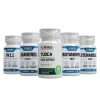
S4 Andarine + GW-501516 Cardarine Stack
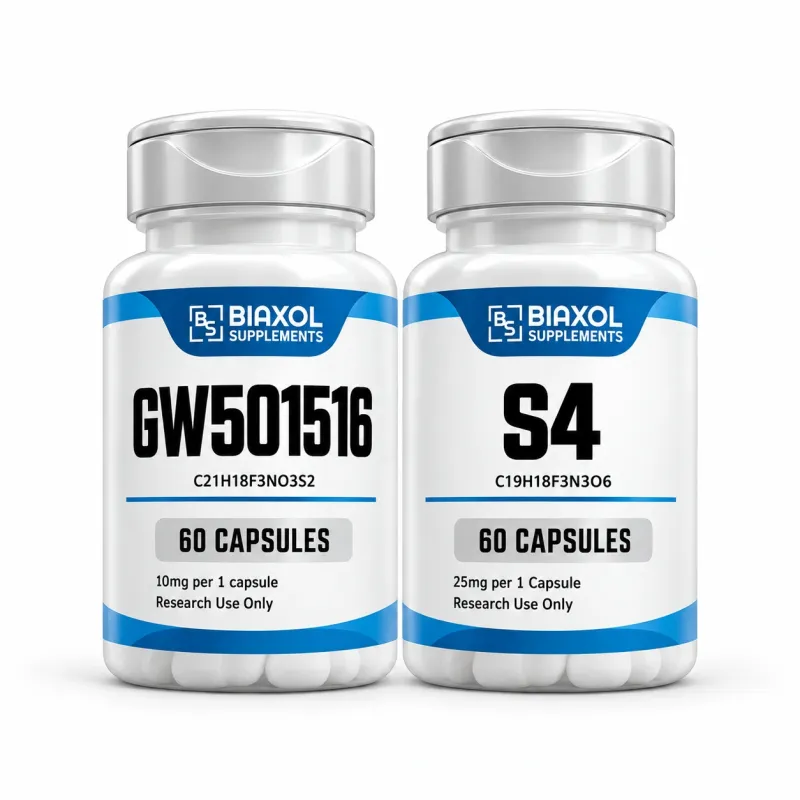
S4 Andarine + GW-501516 Cardarine Stack
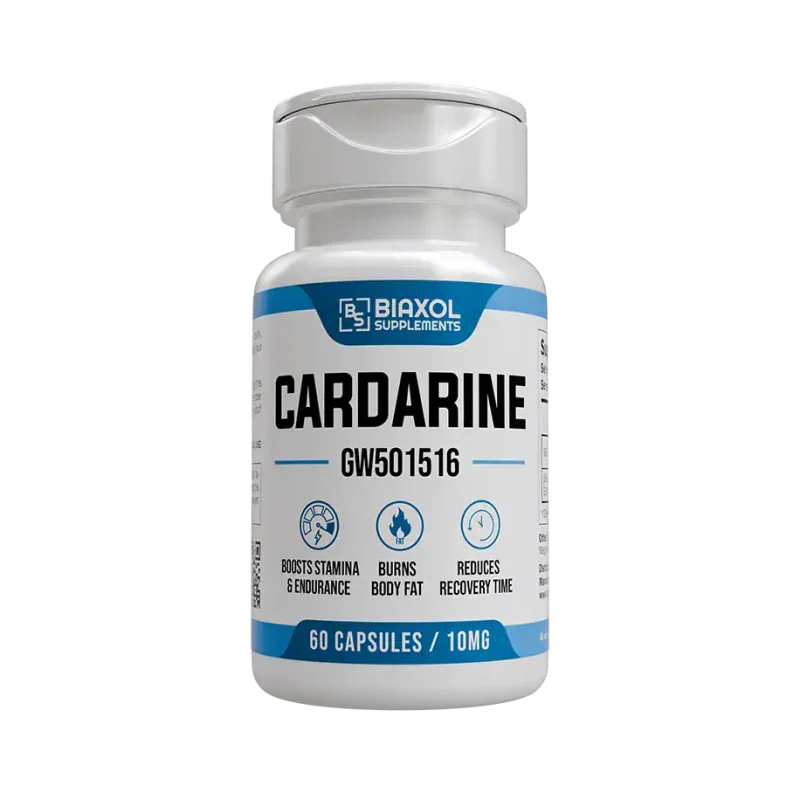
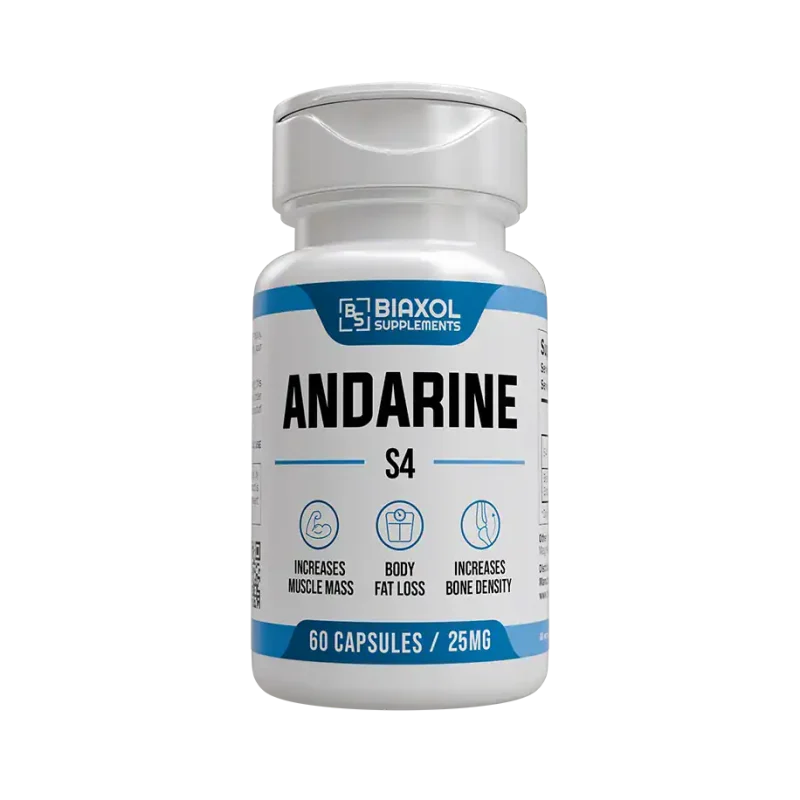
This research stack pairs S4 (Andarine), a synthetic research molecule studied for selective molecular pathway interactions and specific binding properties, with GW-501516 (Cardarine), a research compound studied for metabolic pathway modulation.
-25% on everything – until October 31
25% off regular prices, replacing other product sales. Only the crypto payment discount can be combined.
Bundle contents
Overview
This research stack pairs S4 (Andarine), a synthetic research molecule studied for selective molecular pathway interactions and specific binding properties, with GW-501516 (Cardarine), a research compound studied for metabolic pathway modulation.
Combined research models allow investigation into how selective receptor engagement and metabolic signalling may intersect within a single experimental framework. Research applications include comparative receptor-metabolic pathway studies and dual-compound experimental protocol design.
- High Purity – 99% Purity Guaranteed
- Independently Lab Tested
- Research Grade Quality
- For Laboratory Research Use Only
Properties
| Synonyms | S4 Andarine + GW-501516 Cardarine Stack |
|---|---|
| Shelf Life | 36 months |
Research
This stack combines S4 (Andarine), a synthetic research molecule designed for investigating selective molecular pathways with laboratory studies indicating specific binding properties, with GW-501516 (Cardarine), a research compound studied for metabolic pathway modulation in experimental models. Combined research protocols examining both compounds allow investigation into how selective receptor binding and metabolic pathway signalling may intersect within body composition and metabolic efficiency research models, a frequent two-compound design in comparative receptor-metabolic pathway research. Each compound is independently third-party HPLC-tested; COA available per batch.FAQ
What distinct research pathways does each compound in this stack address?
S4 (Andarine) is studied for selective molecular pathway binding properties, while GW-501516 is studied for metabolic pathway modulation relevant to glucose transport and lipid metabolism research. Combined research protocols allow investigators to examine how these two distinct mechanisms may interact within shared experimental models.
What experimental models are used to study this two-compound combination's effects on receptor and metabolic pathways?
Cell-based receptor binding assays for the S4 component, alongside metabolic flux measurements (such as glucose uptake and lipid oxidation assays) for the GW-501516 component, are standard methods for studying this combination, typically compared across single-compound and combined-compound treatment arms relative to vehicle controls.
How should researchers structure comparative protocols using this two-compound stack?
Paired experimental designs incorporating single-compound and combined-compound treatment arms, alongside vehicle controls, allow researchers to isolate the contribution of each compound and identify any combination-specific effects on selected receptor and metabolic research endpoints.