Synephrine – Solution, 1500 mg (50 mg/1 ml)
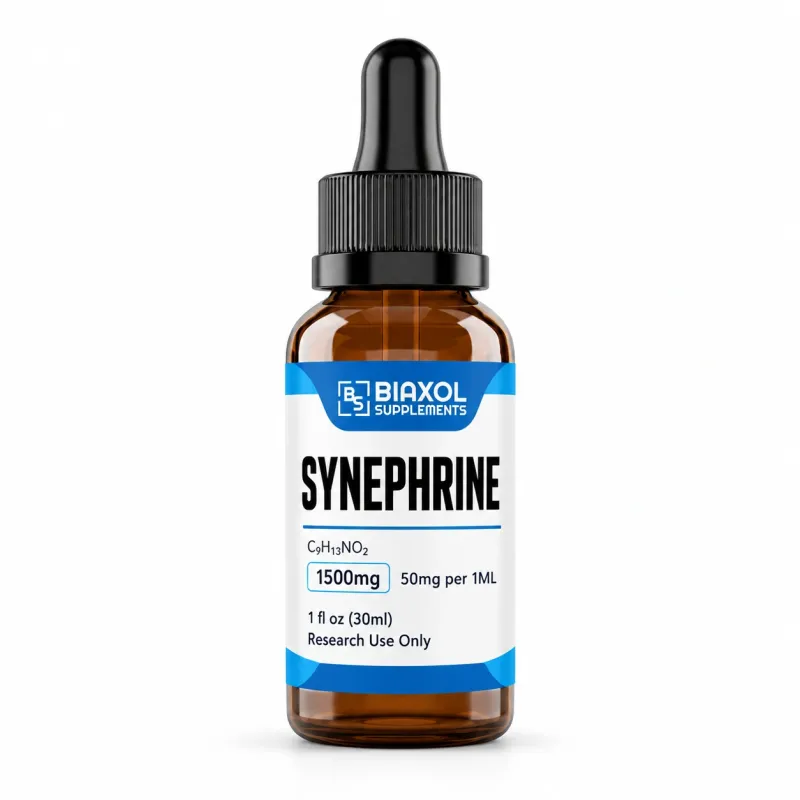
Synephrine – Solution, 1500 mg (50 mg/1 ml)
Synephrine is a naturally occurring protoalkaloid structurally related to phenylethanolamines, known for its interaction with adrenergic receptors.
-25% su tutto – fino al 31 Ottobre
25% sui prezzi ordinari, in sostituzione degli altri saldi. Cumulabile solo con lo sconto crypto.
Panoramica
Synephrine is a naturally occurring protoalkaloid structurally related to phenylethanolamines, known for its interaction with adrenergic receptors. It primarily binds to β-adrenergic and α-adrenergic receptor subtypes, modulating catecholamine signaling pathways in research applications.
This compound undergoes hepatic metabolism via monoamine oxidase (MAO) and sulfation pathways, with primary clearance occurring through renal excretion. The liquid formulation (50mg/ml) enhances solubility and stability, ensuring precise measurement and controlled administration in experimental settings.
- High Purity – 99% Purity Guaranteed
- Independently Lab Tested
- Research Grade Quality
- For Laboratory Research Use Only
Proprietà
| Chemical Formula | C9H13NO2 |
|---|---|
| Synonyms | Oxedrine, Parasympatol, Sympaethamine, Sympatol, Analeptin, Simpatol, Synephrin, Synthenate, Sympathol, p-Oxedrine |
| Molar Mass | 167.21 g/mol |
| CAS Number | 94-07-5 |
| PubChem CID | 7172 |
| Total Compound Content | 1500mg |
| Shelf Life | 36 months |
Ricerca
Synephrine is studied for its receptor-binding profile across the adrenergic receptor family, with particular focus on its relative selectivity for beta-3 adrenergic receptors compared to beta-1 and beta-2 subtypes — a selectivity pattern distinct from many other phenylethanolamine and phenethylamine-class adrenergic agonists. Cell-based functional assays using receptor subtype-specific reporter systems and radioligand-binding studies are used to characterise this selectivity profile, supporting structure-activity relationship research within the broader phenylethanolamine compound class. Solution format (50 mg/ml) supports precise volumetric dosing in in vitro pharmacology and rodent administration protocols. Independently third-party HPLC-tested; COA available per batch.FAQ
What is the basis for synephrine's reported beta-3 adrenergic receptor selectivity in research models?
Receptor subtype-selective binding and functional assays — typically comparing synephrine's potency at beta-1, beta-2, and beta-3 adrenergic receptor subtypes using cAMP accumulation or radioligand displacement methods — are used to characterise its relative selectivity profile. This research is conducted in the context of broader structure-activity work on phenylethanolamine compounds, comparing synephrine's substitution pattern to other adrenergic agonists with different subtype selectivity to map which structural features drive beta-3 preference.
How does solution format support dosing precision compared to solid powder preparations in synephrine research?
Solution format at a defined concentration (50 mg/ml) allows researchers to administer precise volumetric doses without requiring on-site weighing and dissolution, reducing a source of dosing variability in protocols requiring repeated or time-sensitive administration. This format is particularly useful in rodent pharmacokinetic studies and in vitro dose-response work where rapid, accurate dilution series preparation is required.
What structural relationship does synephrine have to other phenylethanolamine adrenergic compounds studied in receptor research?
Synephrine shares the core phenylethanolamine scaffold with related compounds in this structural class, differing in the specific pattern and position of hydroxyl and methyl substituents on the aromatic ring and amine nitrogen. These structural differences are the basis for comparative structure-activity relationship studies examining how substitution pattern influences adrenergic receptor subtype selectivity and binding affinity across the phenylethanolamine compound series.
Prodotti correlati
-
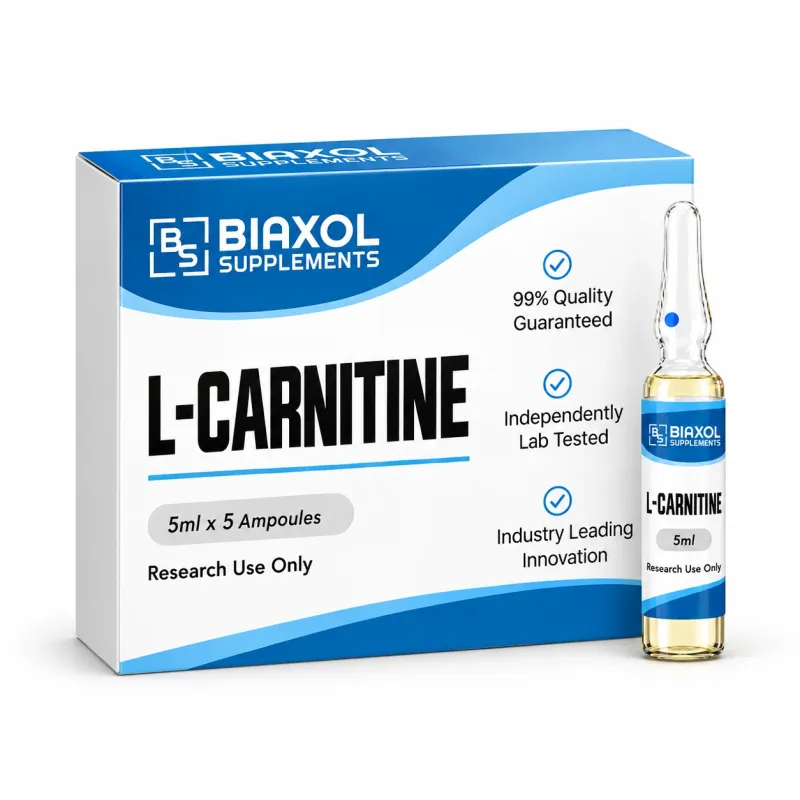 L-carnitine 25 ml (price per box)Aggiungi al carrelloIl prezzo originale era: €59,99.€44,99Il prezzo attuale è: €44,99.
-
 Acetic Acid 0.6% Water Solution – 10mlAggiungi al carrelloIl prezzo originale era: €11,95.€8,96Il prezzo attuale è: €8,96.