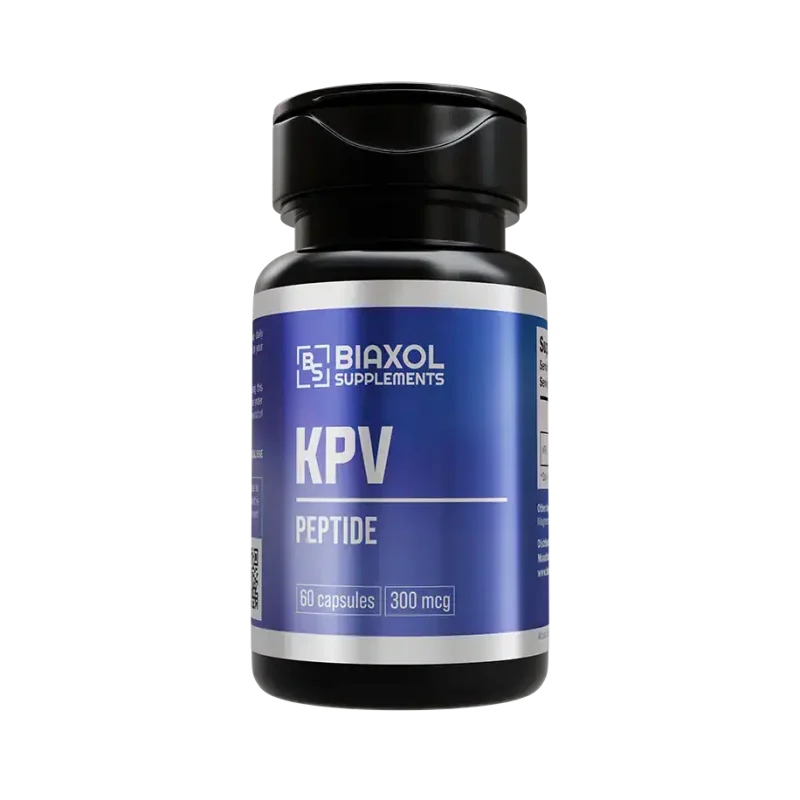
Semax 30mg
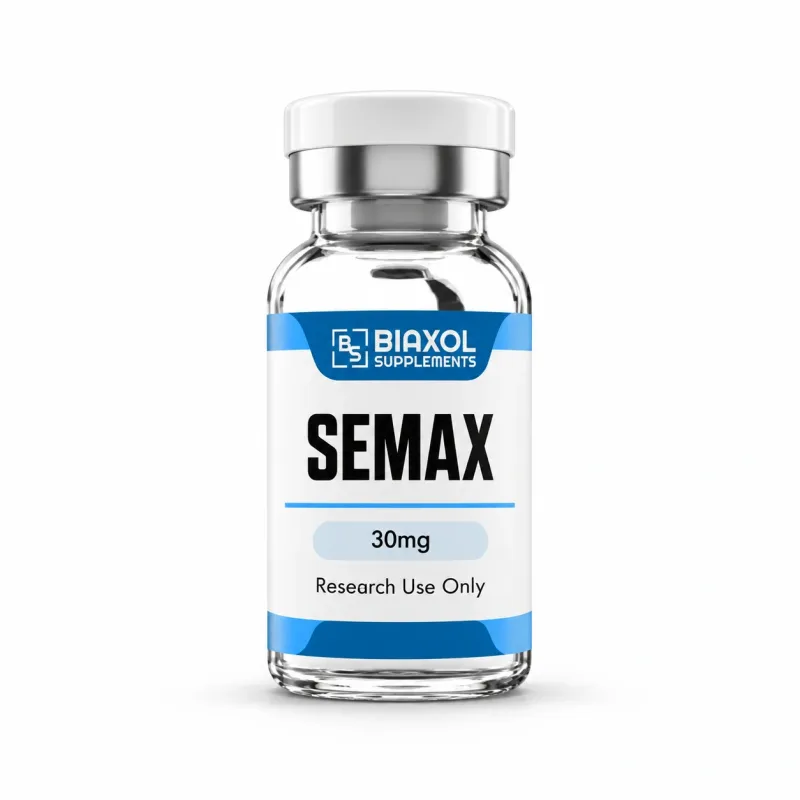
Semax 30mg
<p><strong>Semax 30 mg should be reconstituted with bacteriostatic water (BAC).</strong></p>
L’immagine rappresenta uno dei formati disponibili. Dosaggio e confezione sono quelli selezionati sopra.
-25% su tutto – fino al 31 Ottobre
25% sui prezzi ordinari, in sostituzione degli altri saldi. Cumulabile solo con lo sconto crypto.
Panoramica
Semax (MEHFPGP) is a synthetic heptapeptide analogue of the ACTH(4-10) fragment developed to retain specific peptide-signaling properties while exhibiting a distinct pharmacological profile.
Experimental investigations have examined its interactions with melanocortin-associated signaling pathways, peptide-mediated regulatory networks, transcriptional control mechanisms, and signal transduction processes. Studies have also explored its influence on molecular signaling systems, receptor-associated regulatory pathways, and peptide-dependent cellular communication mechanisms.
Research applications include neuropeptide pharmacology, melanocortin pathway investigation, peptide-signaling research, transcriptional regulation studies, receptor-ligand interaction analysis, and mechanistic evaluation of peptide-mediated signaling systems.
- High Purity – 99% Purity Guaranteed
- Independently Lab Tested
- Research Grade Quality
- For Laboratory Research Use Only
Proprietà
| Chemical Formula | C37H51N9O10S |
|---|---|
| Synonyms | MEHFPGP, (Pro8,Gly9,Pro10)ACTH-(4-10), H-Met-Glu-His-Phe-Pro-Gly-Pro-OH |
| Molar Mass | 813.93 g/mol |
| CAS Number | 80714-61-0 |
| PubChem CID | 9811102 |
| Formati disponibili | 1 vial · KIT (10 vials) |
| Shelf Life | 36 months |
Ricerca
Semax (Met-Glu-His-Phe-Pro-Gly-Pro) is a synthetic heptapeptide analogue of the ACTH(4-10) fragment. The ACTH(4-10) region lacks the steroidogenic activity associated with the N-terminal ACTH sequence while retaining interactions with melanocortin-associated signaling systems. Experimental investigations have examined Semax in relation to transcriptional regulation processes, melanocortin pathway activity, ERK/MAPK-associated signaling networks, and peptide-mediated regulatory mechanisms. Studies have also explored its influence on receptor-associated signaling systems, molecular communication pathways, and downstream regulatory processes involved in peptide pharmacology. Its heptapeptide sequence includes a C-terminal Pro-Gly-Pro motif that influences peptide stability characteristics and resistance to enzymatic degradation relative to shorter ACTH-derived fragments. These properties have established Semax as a valuable research tool for neuropeptide pharmacology, melanocortin pathway investigation, signal transduction research, receptor-ligand interaction studies, transcriptional regulation analysis, and mechanistic evaluation of peptide-mediated signaling systems. Supplied as a lyophilized preparation (30 mg/vial). Independently third-party HPLC-tested; COA available per batch.FAQ
What is the relationship between Semax and ACTH in terms of receptor pharmacology?
Semax is derived from the ACTH(4-10) sequence, a fragment of the larger proopiomelanocortin (POMC)-derived peptide family. The ACTH(4-10) region retains interactions with melanocortin-associated signaling systems while exhibiting a pharmacological profile distinct from full-length ACTH.
Experimental investigations have examined Semax in relation to melanocortin receptor-associated pathways, peptide-mediated regulatory mechanisms, transcriptional control processes, and downstream signaling networks. These characteristics make Semax a useful research tool for studies of melanocortin pharmacology and peptide-signaling mechanisms.
How does Semax interact with molecular signaling pathways in experimental systems?
Experimental investigations have examined Semax in relation to ERK/MAPK-associated signaling networks, transcriptional regulation processes, and peptide-mediated regulatory pathways.
While the precise molecular mechanisms remain incompletely characterized, studies have explored interactions with receptor-associated signaling systems, intracellular communication pathways, and downstream regulatory networks involved in peptide pharmacology.
These characteristics have established Semax as a valuable research tool for investigations of signal transduction mechanisms and peptide-mediated molecular regulation.
Why is the Pro-Gly-Pro C-terminal motif of Semax pharmacologically significant?
Semax contains a C-terminal Pro-Gly-Pro extension that influences peptide stability characteristics and enzymatic degradation susceptibility relative to shorter ACTH-derived fragments. This structural modification alters physicochemical properties and contributes to its distinct pharmacological profile.
The Pro-Gly-Pro motif is frequently examined in studies of peptide structure-function relationships, enzymatic processing mechanisms, molecular stability, and the impact of sequence modifications on peptide-associated signaling systems.
Prodotti correlati
-
 OS-01 100mg/30capsAggiungi al carrelloIl prezzo originale era: €220,00.€165,00Il prezzo attuale è: €165,00.
-
 BPC-157 BiaxolAggiungi al carrelloIl prezzo originale era: €96,00.€72,00Il prezzo attuale è: €72,00.
-
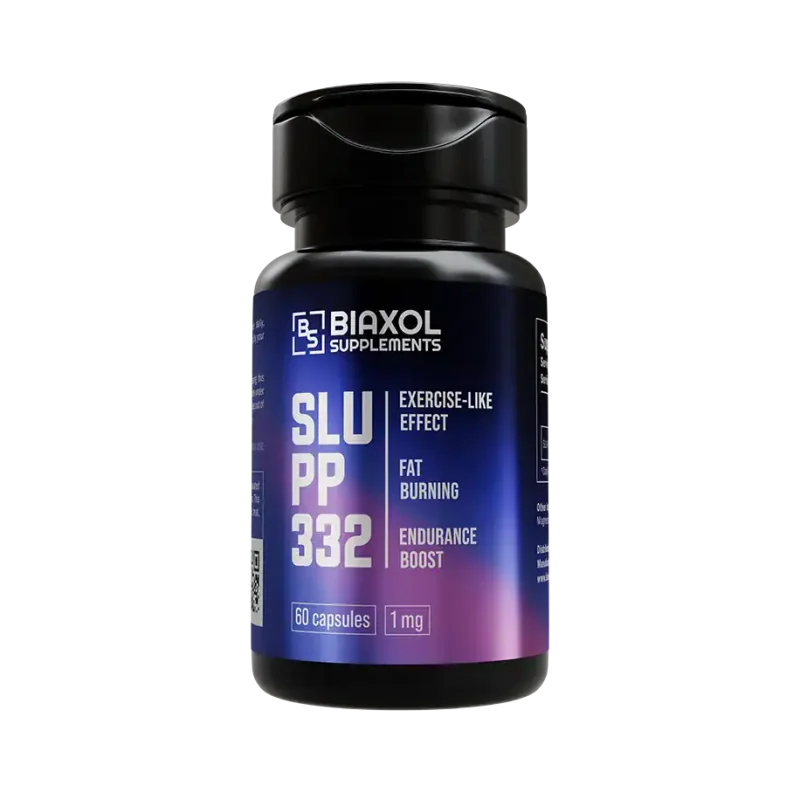 SLU-PP-332 PeptideAggiungi al carrelloIl prezzo originale era: €100,00.€75,00Il prezzo attuale è: €75,00.