

Selank 5mg
Selank 5mg
Selank (TKPRPGP) is a synthetic heptapeptide analogue of the immunomodulatory tetrapeptide tuftsin (Thr-Lys-Pro-Arg), with a C-terminal Pro-Gly-Pro extension that confers resistance to peptidase degradation.
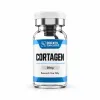
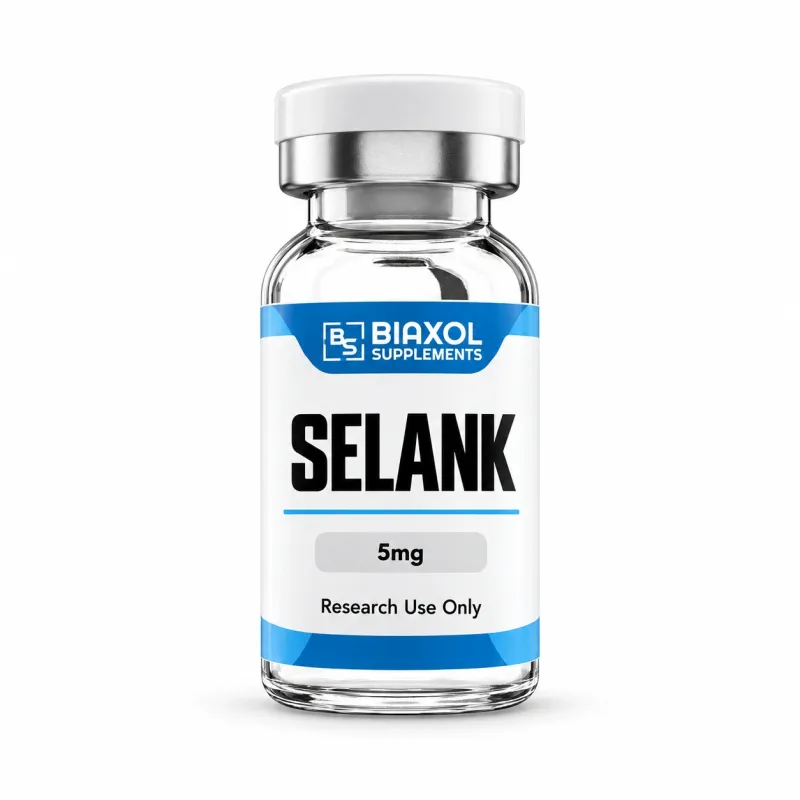
L’immagine rappresenta uno dei formati disponibili. Dosaggio e confezione sono quelli selezionati sopra.
-25% su tutto – fino al 31 Ottobre
25% sui prezzi ordinari, in sostituzione degli altri saldi. Cumulabile solo con lo sconto crypto.
Panoramica
Selank (TKPRPGP) is a synthetic heptapeptide analogue of the immunomodulatory tetrapeptide tuftsin (Thr-Lys-Pro-Arg), with a C-terminal Pro-Gly-Pro extension that confers resistance to peptidase degradation. Experimental investigations have examined peptide-mediated signaling pathways, GABAergic-associated regulatory systems, receptor-ligand interactions, and transcriptional control mechanisms.
Research applications include tuftsin-associated pharmacology, peptide-signaling pathway investigation, GABAergic signaling studies, signal transduction research, and mechanistic evaluation of peptide-mediated regulatory networks.
- High Purity – 99% Purity Guaranteed
- Independently Lab Tested
- Research Grade Quality
- For Laboratory Research Use Only
Proprietà
| Chemical Formula | C33H57N11O9 |
|---|---|
| Synonyms | Thr-Lys-Pro-Arg-Pro-Gly-Pro, L-Proline, L-threonyl-L-lysyl-L-prolyl-L-arginyl-L-prolylglycyl-, Selanc, UNII-TS9JR8EP1G |
| Molar Mass | 751.89 g/mol |
| CAS Number | 129954-34-3 |
| PubChem CID | 11765600 |
| Formati disponibili | 1 vial · KIT (10 vials) |
| Shelf Life | 36 months |
Ricerca
Selank (Thr-Lys-Pro-Arg-Pro-Gly-Pro) is a synthetic heptapeptide analogue of the endogenous tetrapeptide tuftsin (TKPR), incorporating a Pro-Gly-Pro C-terminal sequence that influences peptide stability characteristics and resistance to enzymatic degradation. Experimental investigations have examined peptide-mediated signaling pathways, GABAergic-associated regulatory systems, receptor-ligand interactions, and transcriptional control mechanisms. Studies have also explored its interactions with molecular signaling networks, peptide-dependent communication systems, and pathway-specific regulatory processes involved in neuropeptide pharmacology. Selank additionally exhibits regulatory activity consistent with its tuftsin-derived sequence and has been investigated in relation to peptide-associated signaling mechanisms and molecular regulatory pathways. Its pharmacological profile is distinct from classical small-molecule modulators, making it a useful research tool for studies of peptide signaling, receptor pharmacology, signal transduction, structure-function relationships, and mechanistic evaluation of peptide-mediated regulatory systems. Supplied as a lyophilized preparation (5 mg/vial). Independently third-party HPLC-tested; COA available per batch.FAQ
How is Selank structurally related to tuftsin and what does the C-terminal extension contribute?
Selank is derived from the tetrapeptide tuftsin (Thr-Lys-Pro-Arg), incorporating a Pro-Gly-Pro extension at the C-terminus to form the heptapeptide TKPRPGP. This structural modification influences peptide stability characteristics and resistance to enzymatic degradation relative to the parent peptide.
The extension also alters the physicochemical and pharmacological properties of the molecule, making Selank a useful research tool for studies of peptide engineering, structure-function relationships, and peptide-mediated signaling systems.
How does Selank differ from classical small-molecule modulators in peptide pharmacology research?
Selank is a synthetic peptide with a distinct structural and pharmacological profile compared to classical small-molecule compounds. Experimental investigations have examined its interactions with peptide-mediated signaling pathways, GABAergic-associated regulatory systems, receptor-ligand interactions, and molecular communication networks.
These characteristics make Selank valuable for studies investigating peptide-based signaling mechanisms, signal transduction processes, and receptor-associated regulatory pathways.
What regulatory properties have been investigated for Selank in experimental research?
Consistent with its tuftsin-derived sequence, Selank has been investigated in relation to peptide-associated regulatory pathways, molecular signaling networks, and receptor-mediated communication systems. Experimental studies have examined interactions with transcriptional control mechanisms, signaling cascades, and peptide-dependent regulatory processes.
These properties have established Selank as a useful research tool for investigations of peptide pharmacology, signal transduction, molecular regulation, and mechanistic evaluation of peptide-mediated biological systems.
Prodotti correlati
-
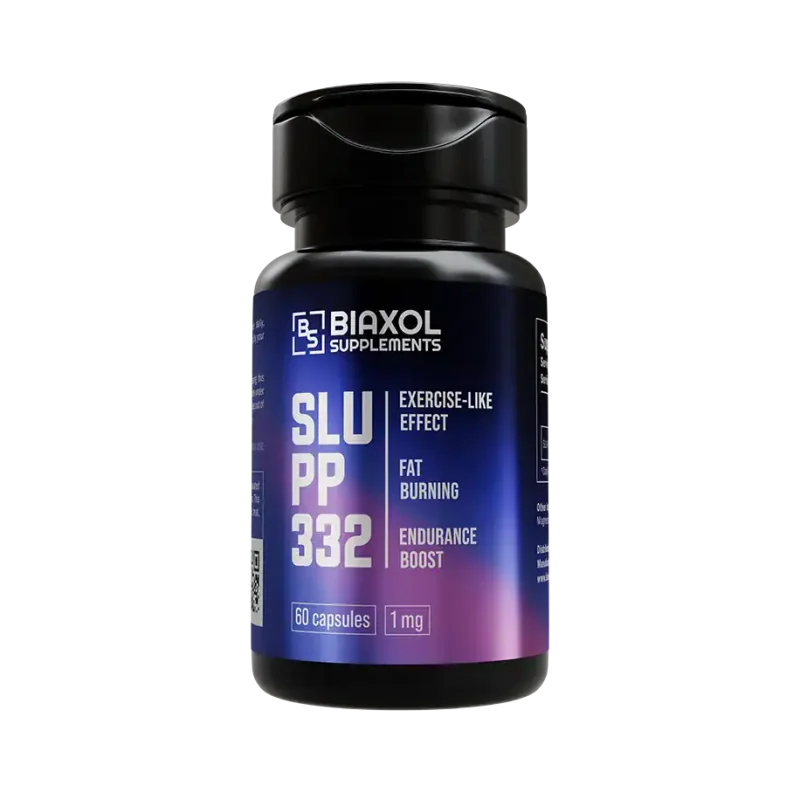 SLU-PP-332 PeptideAggiungi al carrelloIl prezzo originale era: €100,00.€75,00Il prezzo attuale è: €75,00.
-
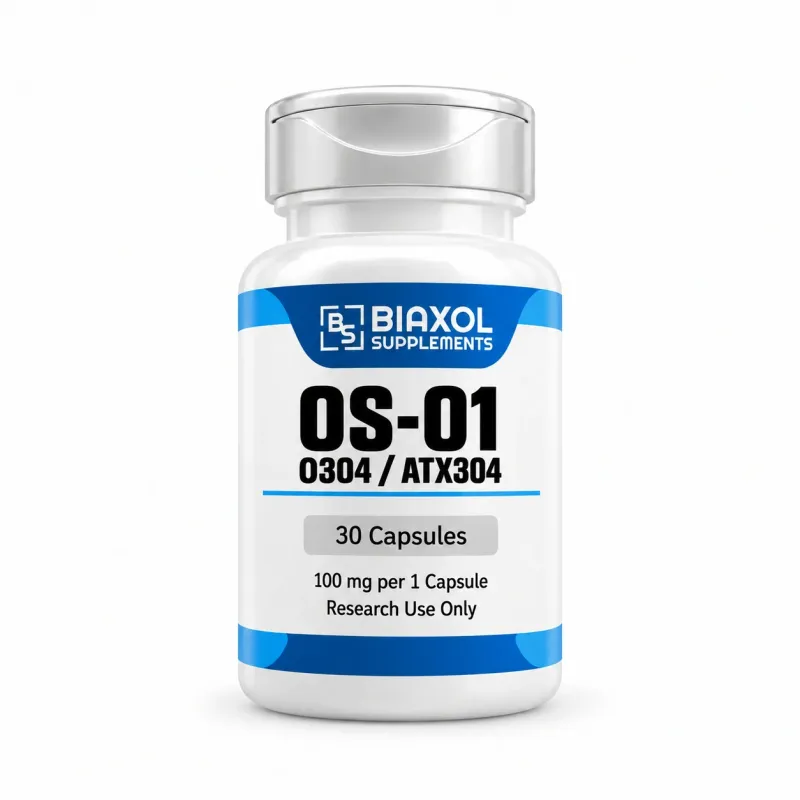 OS-01 100mg/30capsAggiungi al carrelloIl prezzo originale era: €220,00.€165,00Il prezzo attuale è: €165,00.
-
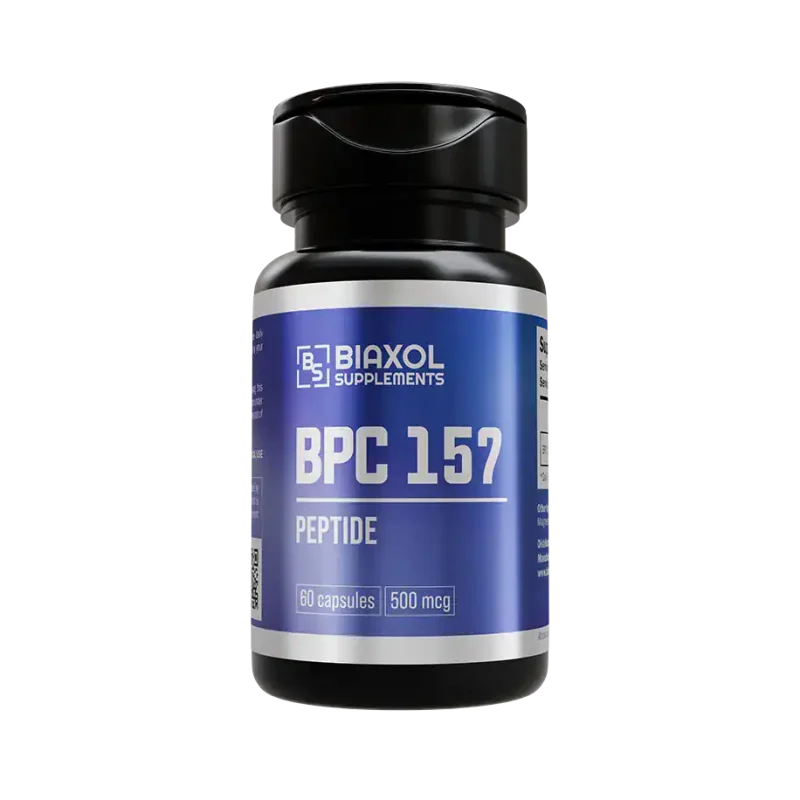 BPC-157 BiaxolAggiungi al carrelloIl prezzo originale era: €96,00.€72,00Il prezzo attuale è: €72,00.