IGF-1 LR3 1mg
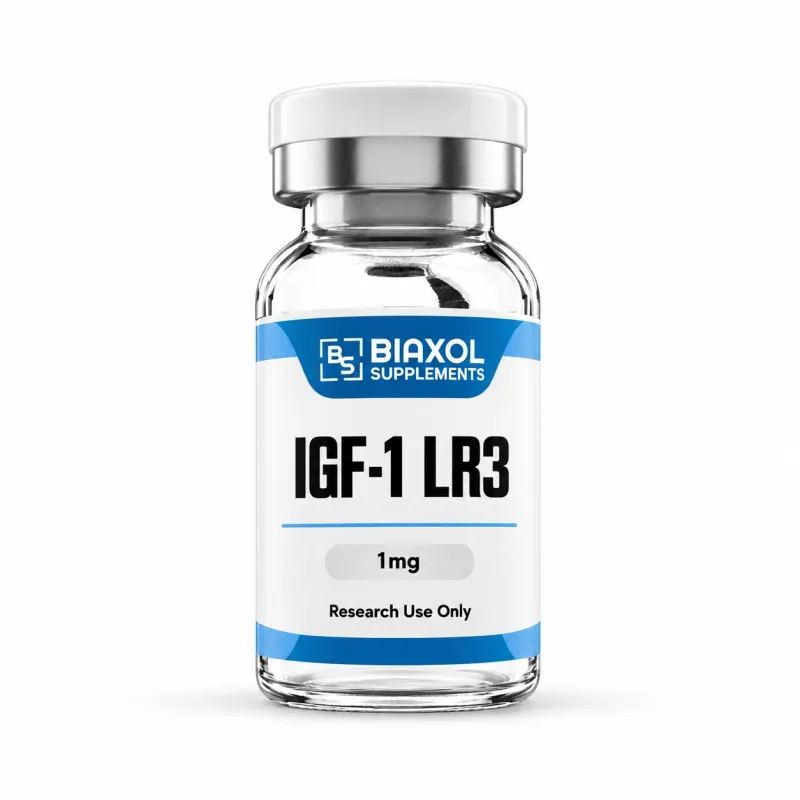
IGF-1 LR3 1mg
IGF-1 LR3 (Long Arg3-IGF-1) is a synthetic 83-amino-acid analogue of insulin-like growth factor 1, engineered with an N-terminal 13-amino-acid extension and an Arg3 substitution that together confer markedly reduced affinity for IGF-binding proteins (IGFBPs) and extended plasma half-life.
L’immagine rappresenta uno dei formati disponibili. Dosaggio e confezione sono quelli selezionati sopra.
-25% su tutto – fino al 31 Ottobre
25% sui prezzi ordinari, in sostituzione degli altri saldi. Cumulabile solo con lo sconto crypto.
Panoramica
IGF-1 LR3 (Long Arg3-IGF-1) is a synthetic 83-amino-acid analogue of insulin-like growth factor 1, engineered with an N-terminal 13-amino-acid extension and an Arg3 substitution that together confer markedly reduced affinity for IGF-binding proteins (IGFBPs) and extended plasma half-life. These modifications preserve IGF-1 receptor (IGF-1R) agonist activity while reducing IGFBP sequestration, enabling sustained receptor engagement in preclinical research models.
- High Purity – 99% Purity Guaranteed
- Independently Lab Tested
- Research Grade Quality
- For Laboratory Research Use Only
Proprietà
| Chemical Formula | C400H625N111O115S9 |
|---|---|
| Synonyms | Long R3-IGF-1, M9L22Y19H9, 143045-27-6, Long-(arg3)insulin-like growth factor-i |
| Molar Mass | 9,117.60 g/mol |
| CAS Number | 143045-27-6 |
| PubChem CID | N/A |
| Formati disponibili | Vial · KIT (10 vials) |
| Shelf Life | 36 months |
Ricerca
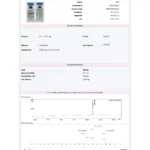
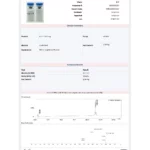
IGF-1 LR3 is a recombinant 83-amino-acid analogue of native IGF-1 (70 AA) featuring two structural modifications: an N-terminal 13-residue extension (MFPAMPLLSLFVN) and substitution of glutamic acid at position 3 with arginine (Arg3). These changes reduce IGFBP-1 through IGFBP-6 binding affinity by approximately 1,000-fold relative to native IGF-1, effectively eliminating IGFBP sequestration and increasing the proportion of free, biologically active peptide in experimental systems. Full IGF-1R agonist activity is preserved, with downstream activation of PI3K/Akt, MAPK/ERK, and mTOR signalling cascades. Plasma half-life extends to approximately 56–72 hours versus approximately 10–20 minutes for native IGF-1. Researchers use IGF-1 LR3 to investigate IGF-1R signalling in sustained-activation contexts, anabolic pathway regulation, and the consequences of IGFBP-uncoupled IGF-1R engagement on cell proliferation, differentiation, and metabolic substrate utilisation. Supplied as lyophilised preparation (1 mg/vial). Independently third-party HPLC-tested; COA available per batch.Risultati di laboratorio
Results refer to the tested sample. Check the batch and date in the report.
FAQ
Why does IGF-1 LR3 have a longer half-life than native IGF-1?
Native IGF-1 is rapidly sequestered in circulation by IGF-binding proteins (IGFBPs 1–6), which extend its half-life but also restrict bioavailability. The Arg3 substitution and N-terminal 13-residue extension in IGF-1 LR3 reduce IGFBP affinity by approximately 1,000-fold, preventing this sequestration.
Without IGFBP binding, IGF-1 LR3 remains in free, receptor-accessible form for 56–72 hours — substantially longer than native IGF-1's 10–20-minute half-life when not IGFBP-bound.
Which intracellular signalling pathways does IGF-1 LR3 activate via IGF-1R?
IGF-1R is a receptor tyrosine kinase. Ligand binding drives receptor autophosphorylation, IRS-1/IRS-2 adapter recruitment, and activation of two primary downstream cascades: PI3K/Akt/mTOR (governing protein synthesis, glucose uptake, and cell survival) and MAPK/ERK (regulating cell proliferation and differentiation). Both pathways are fully engaged by IGF-1 LR3 at the IGF-1R, identical to native IGF-1.
What types of experimental programs are most suited to the IGF-1 LR3 10-vial KIT format?
The IGF-1 LR3 KIT format is particularly useful for longitudinal investigations, multi-arm experimental designs, concentration-response studies, receptor-signaling experiments, and pathway-characterization programs that require repeated compound preparation over extended periods.
The availability of multiple matched-batch vials supports consistent experimental conditions across separate study phases, treatment groups, and sampling timepoints. This makes the KIT format well-suited to research involving IGF-1 receptor signaling, PI3K/Akt/mTOR pathway analysis, MAPK/ERK pathway investigation, and comparative insulin-like growth factor pharmacology.
Prodotti correlati
-
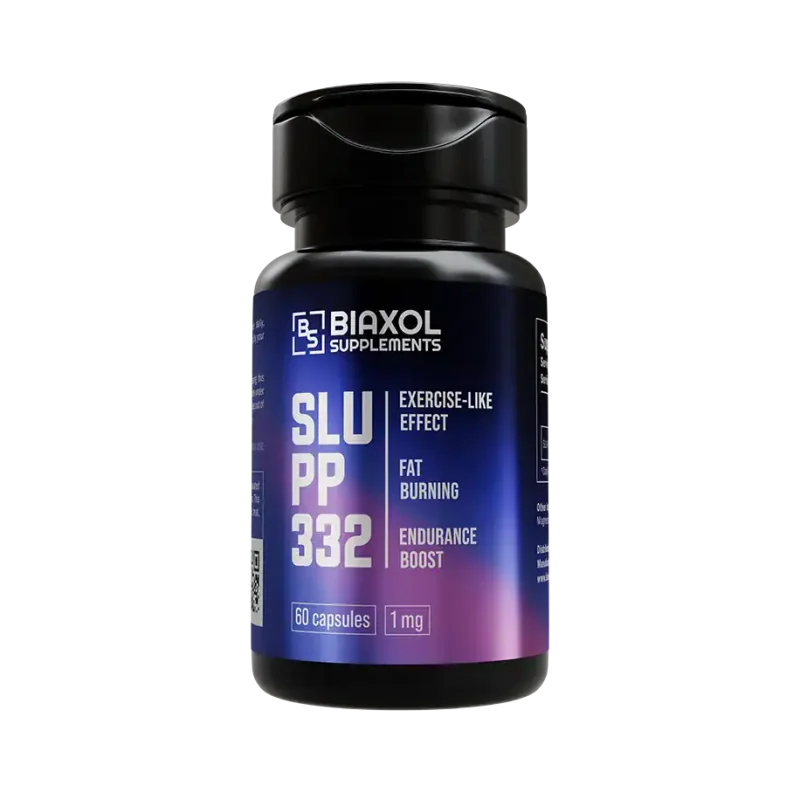 SLU-PP-332 PeptideAggiungi al carrelloIl prezzo originale era: €100,00.€75,00Il prezzo attuale è: €75,00.
-
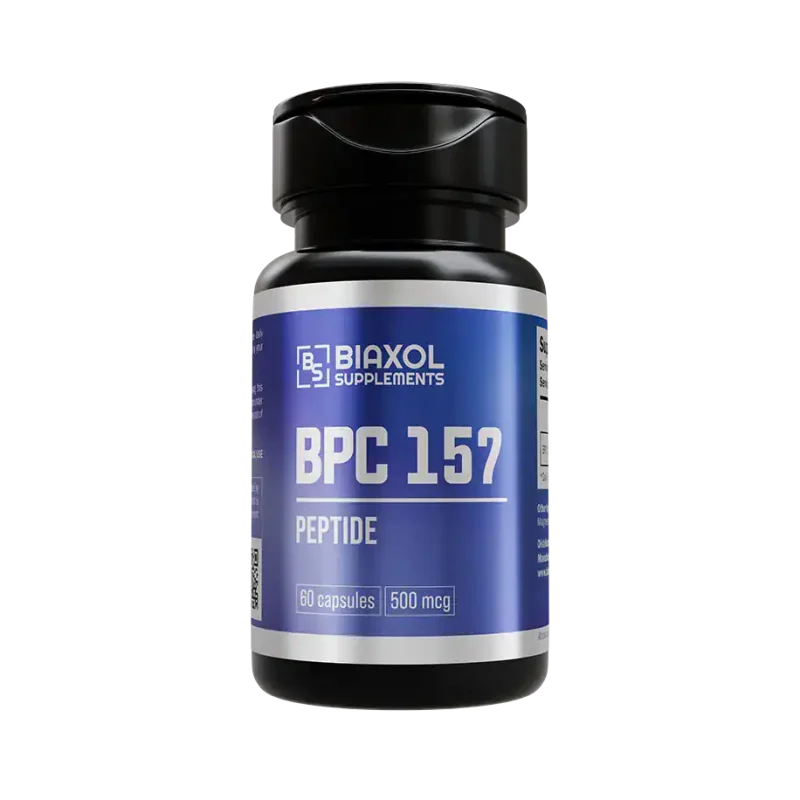 BPC-157 BiaxolAggiungi al carrelloIl prezzo originale era: €96,00.€72,00Il prezzo attuale è: €72,00.
-
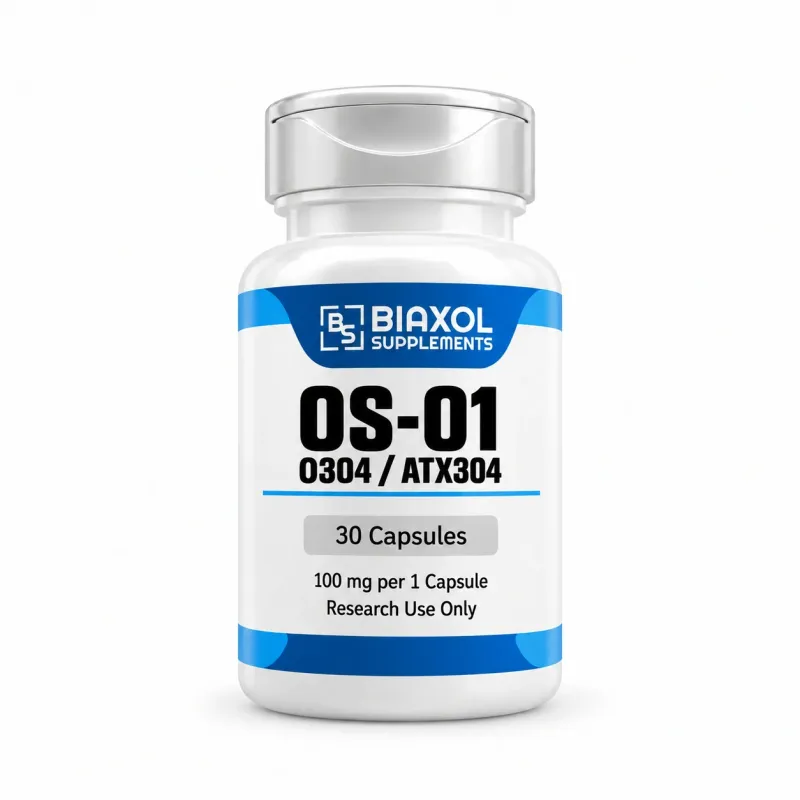 OS-01 100mg/30capsAggiungi al carrelloIl prezzo originale era: €220,00.€165,00Il prezzo attuale è: €165,00.