









CJC-1295 with DAC, 2mg
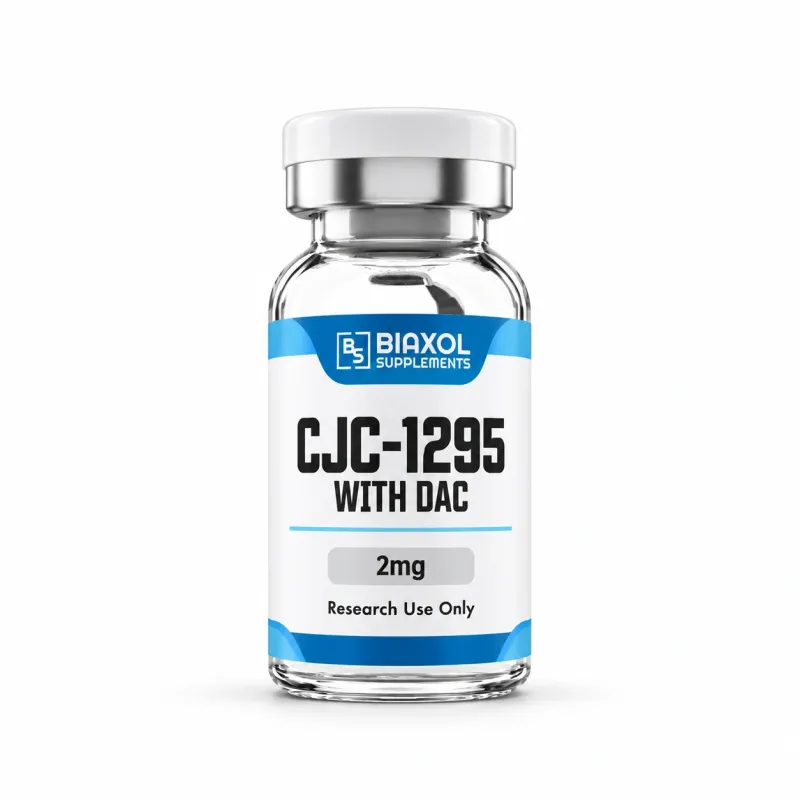
CJC-1295 with DAC, 2mg
CJC-1295 with DAC is a synthetic modified peptide compound studied for its interactions with growth hormone-releasing hormone (GHRH) receptor pathways in experimental models.
L’immagine rappresenta uno dei formati disponibili. Dosaggio e confezione sono quelli selezionati sopra.
-25% su tutto – fino al 31 Ottobre
25% sui prezzi ordinari, in sostituzione degli altri saldi. Cumulabile solo con lo sconto crypto.
Panoramica
CJC-1295 with DAC is a synthetic modified peptide compound studied for its interactions with growth hormone-releasing hormone (GHRH) receptor pathways in experimental models.
The Drug Affinity Complex (DAC) modification — a maleimidopropionyl-lysine moiety at the C-terminus — is studied for its capacity to reversibly bind albumin in experimental systems, producing extended stability compared to the unmodified CJC-1295 variant.
The compound is designed with a 30-amino acid sequence structure incorporating four amino acid substitutions that confer enhanced protease resistance relative to native GHRH(1-29). Research applications include GHRH receptor pathway studies, growth hormone secretagogue signalling research, and comparative DAC-modified versus unmodified peptide pharmacology.
- High Purity – 99% Purity Guaranteed
- Independently Lab Tested
- Research Grade Quality
- For Laboratory Research Use Only
Proprietà
| Chemical Formula | C165H269N47O46 |
|---|---|
| Synonyms | CJC1295 With DAC, 446262-90-4 |
| Molar Mass | 3647.2 g/mol |
| CAS Number | 446262-90-4 |
| PubChem CID | 91971820 |
| Formati disponibili | Vial · KIT (10 vials) |
| Shelf Life | 36 months |
Ricerca
CJC-1295 with DAC is a synthetic 30-amino acid GHRH analogue studied for selective receptor affinity and extended stability in laboratory research models. The compound incorporates four amino acid substitutions (D-Ala2, Gln8, Ala15, Leu27) that confer enhanced protease resistance relative to native GHRH(1-29), and a Drug Affinity Complex (DAC) modification at the C-terminus studied for its capacity to reversibly bind albumin in experimental systems, producing significantly extended peptide stability relative to the non-DAC CJC-1295 variant. Laboratory research has examined its growth hormone secretagogue signalling properties — including proposed modulation of pituitary GHRH receptor pathways and downstream IGF-1 axis signalling — in cell-based and in vivo experimental models. Comparative research protocols frequently pair CJC-1295 with DAC against the non-DAC variant to characterise the contribution of the albumin-binding modification to receptor engagement duration and downstream signalling profiles. Independently third-party HPLC-tested; COA available per batch.FAQ
What is the Drug Affinity Complex (DAC) modification and how does it affect CJC-1295's stability in research models?
The DAC modification in CJC-1295 is a maleimidopropionyl-lysine moiety incorporated at the C-terminus of the peptide sequence, studied for its capacity to reversibly bind cysteine-34 of albumin in experimental systems. This albumin-binding interaction is studied for its role in significantly extending the peptide's stability in biological research models relative to the non-DAC CJC-1295 variant, making the DAC form a standard research tool in protocols requiring sustained receptor pathway engagement over extended experimental timelines.
How do the four amino acid substitutions in CJC-1295 differ from native GHRH(1-29)?
CJC-1295 incorporates D-Ala at position 2, Gln at position 8, Ala at position 15, and Leu at position 27 relative to native GHRH(1-29), substitutions studied for their capacity to confer enhanced resistance to proteolytic degradation while preserving GHRH receptor binding affinity. These modifications are examined in comparative structure-activity research contrasting CJC-1295's stability and receptor binding profile against native GHRH(1-29) and other GHRH analogues.
What advantages does the 10-vial KIT format provide for extended research programs?
The 10-vial KIT format is particularly useful for longitudinal investigations, repeated-dose studies, multi-arm experimental designs, pharmacokinetic research, and chronic pathway-signaling programs requiring consistent compound availability across multiple study phases.
Individually sealed vials allow compound to remain lyophilized until needed, supporting stability throughout extended research timelines. The use of matched-batch material across all ten vials also helps minimize variability between experimental sessions, making the KIT format well suited to long-duration receptor-signaling and comparative pharmacology studies.
Prodotti correlati
-
 SLU-PP-332 PeptideAggiungi al carrelloIl prezzo originale era: €100,00.€75,00Il prezzo attuale è: €75,00.
-
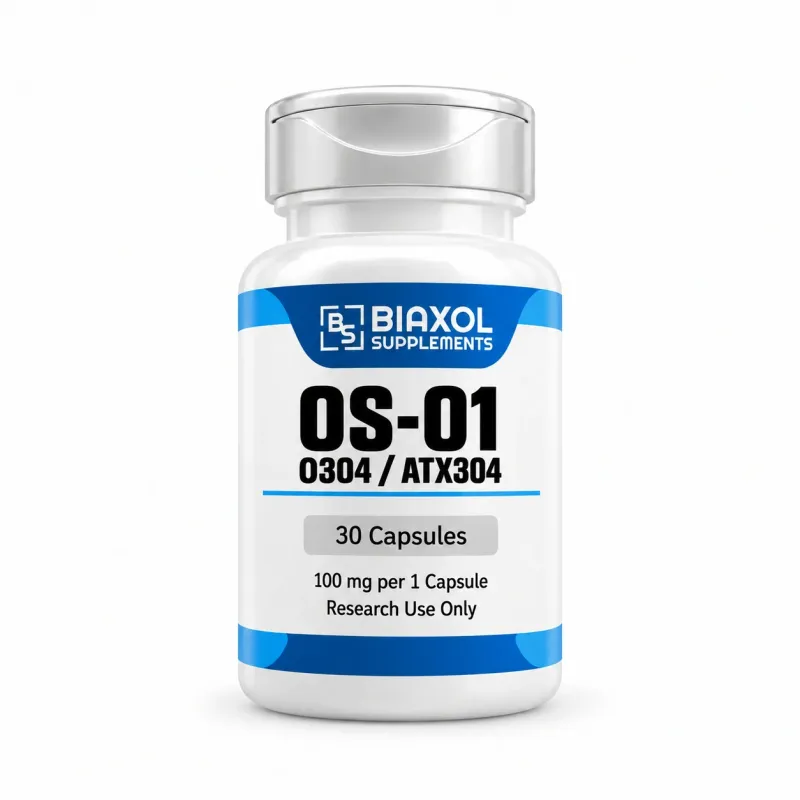 OS-01 100mg/30capsAggiungi al carrelloIl prezzo originale era: €220,00.€165,00Il prezzo attuale è: €165,00.
-
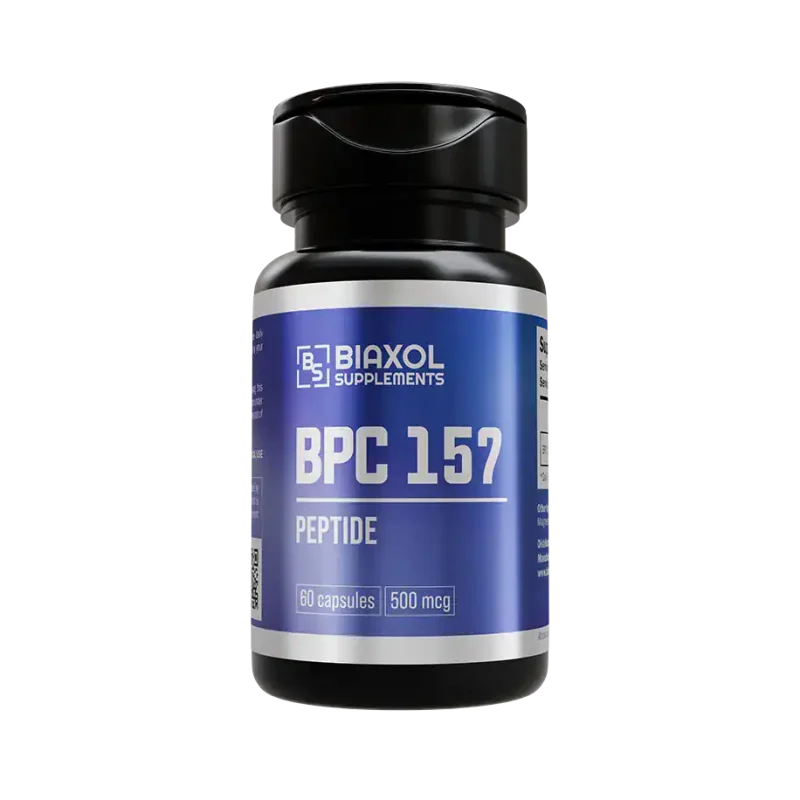 BPC-157 BiaxolAggiungi al carrelloIl prezzo originale era: €96,00.€72,00Il prezzo attuale è: €72,00.