GHRP-2 5mg
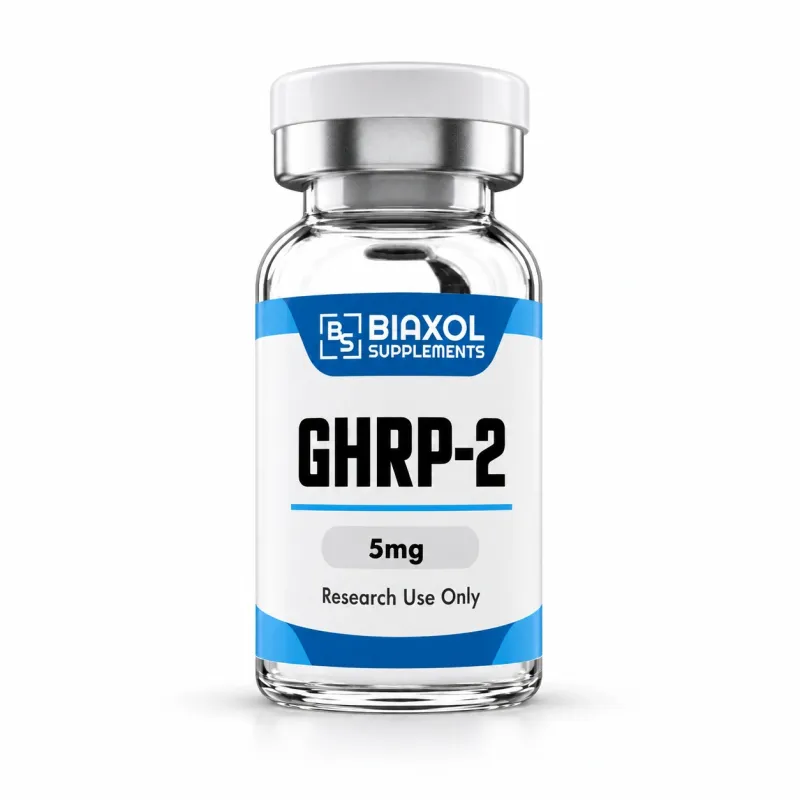
GHRP-2 5mg
GHRP-2 (Pralmorelin) is a synthetic hexapeptide compound studied for selective ghrelin receptor binding properties and growth hormone secretagogue signalling in experimental models.
Das Bild zeigt eines der verfügbaren Formate. Stärke und Packungsgröße entsprechen der Auswahl oben.
-25% auf alles – bis 31. Oktober
25% auf reguläre Preise statt anderer Angebote. Nur mit dem Krypto-Zahlungsrabatt kombinierbar.
Übersicht
GHRP-2 (Pralmorelin) is a synthetic hexapeptide compound studied for selective ghrelin receptor binding properties and growth hormone secretagogue signalling in experimental models.
The compound consists of six amino acids (D-Ala-D-β-Nal-Ala-Trp-D-Phe-Lys-NH2) and is examined for its capacity to engage the GHS-R1a (growth hormone secretagogue receptor 1a) in pituitary and hypothalamic research models. Research applications include ghrelin receptor pharmacology, growth hormone secretagogue pathway studies, and pulsatile GH signalling research.
- High Purity – 99% Purity Guaranteed
- Independently Lab Tested
- Research Grade Quality
- For Laboratory Research Use Only
Eigenschaften
| Chemical Formula | C45H55N9O6 |
|---|---|
| Synonyms | Pralmorelin, KP-102, D-Alanyl-3-(2-naphthalenyl)-D-alanyl-L-alanyl-L-tryptophyl-D-phenylalanyl-L-lysinamide, UNII-E6S6E1F19M |
| Molar Mass | 817.9865 g/mol |
| CAS Number | 158861-67-7 |
| PubChem CID | 6918245 |
| Verfügbare Formate | GHRP-2 5mg (1 vial) · GHRP-2 5mg KIT (10 vials) |
| Shelf Life | 36 months |
Forschung
GHRP-2 (Pralmorelin) is a synthetic hexapeptide studied as a potent agonist of the ghrelin/growth hormone secretagogue receptor (GHS-R1a) in laboratory research models. The compound's six-amino-acid sequence (D-Ala-D-β-Nal-Ala-Trp-D-Phe-Lys-NH2) is studied for selective receptor binding at GHS-R1a sites located in pituitary somatotroph cells and hypothalamic nuclei, with downstream research interest in pulsatile growth hormone secretagogue signalling and IGF-1 axis modulation. Research models have also examined GHRP-2's proposed somatostatin suppression activity — studied as a mechanism through which it may amplify growth hormone release beyond direct receptor agonism — and its capacity to modulate cAMP production, calcium mobilization, and PKA/PKC signalling cascades in pituitary cell models. Independently third-party HPLC-tested; COA available per batch.FAQ
What receptor does GHRP-2 bind to and how is this studied in laboratory models?
GHRP-2 is studied for selective agonist activity at the GHS-R1a (growth hormone secretagogue receptor 1a), which is expressed in pituitary somatotroph cells and hypothalamic nuclei. Cell-based binding assays using GHS-R1a-expressing cell lines, alongside downstream signalling readouts (such as cAMP accumulation and calcium mobilization), are standard methods for characterising GHRP-2's receptor engagement and functional potency relative to other GHS-R1a ligands.
What distinguishes GHRP-2's proposed mechanism from GHRH-based research tools?
GHRP-2 engages the ghrelin/GHS-R1a receptor pathway, distinct from the GHRH receptor pathway targeted by GHRH analogues such as CJC-1295. Research protocols frequently pair GHRP-2 with GHRH analogues to examine whether GHS-R1a agonism and GHRH receptor activation produce synergistic effects on growth hormone secretagogue signalling endpoints, a common combination design in pituitary pathway research.
What experimental controls are commonly used in GHRP-2 receptor-signalling research?
Studies investigating GHRP-2 mechanisms typically incorporate vehicle controls, receptor-antagonist controls, and comparator GHS-R1a agonists to distinguish receptor-specific effects from non-specific pathway activation.
Comparative experiments using compounds such as GHRP-6 or Ipamorelin are commonly employed to evaluate differences in signalling selectivity, pathway activation patterns, receptor responsiveness, and downstream transcriptional responses. These approaches help establish mechanistic attribution in GHS-R1a pharmacology research.
Ähnliche Produkte
-
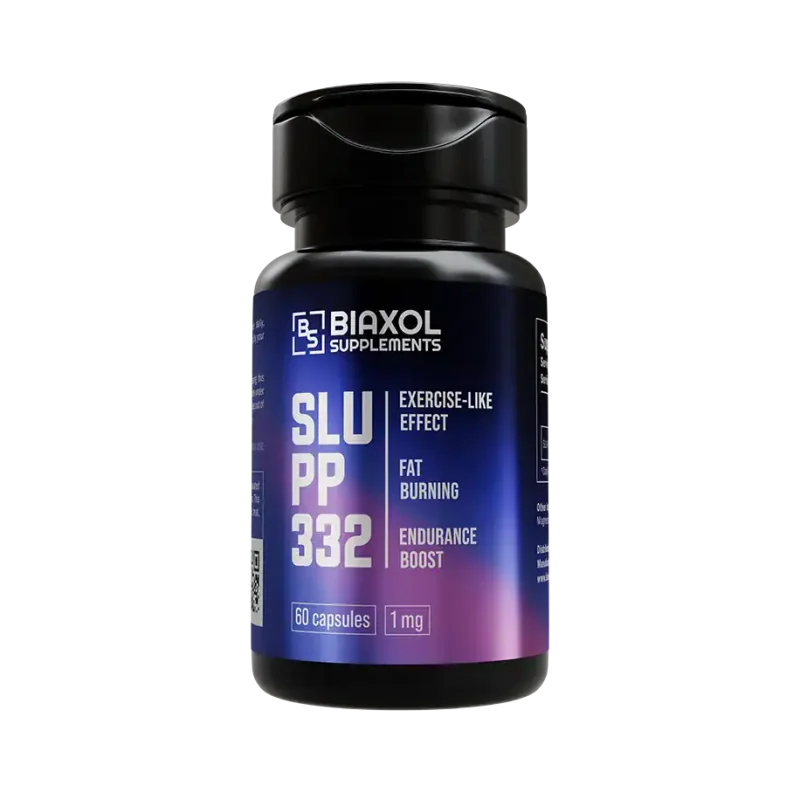 SLU-PP-332 PeptideIn den WarenkorbUrsprünglicher Preis war: €100,00€75,00Aktueller Preis ist: €75,00.
-
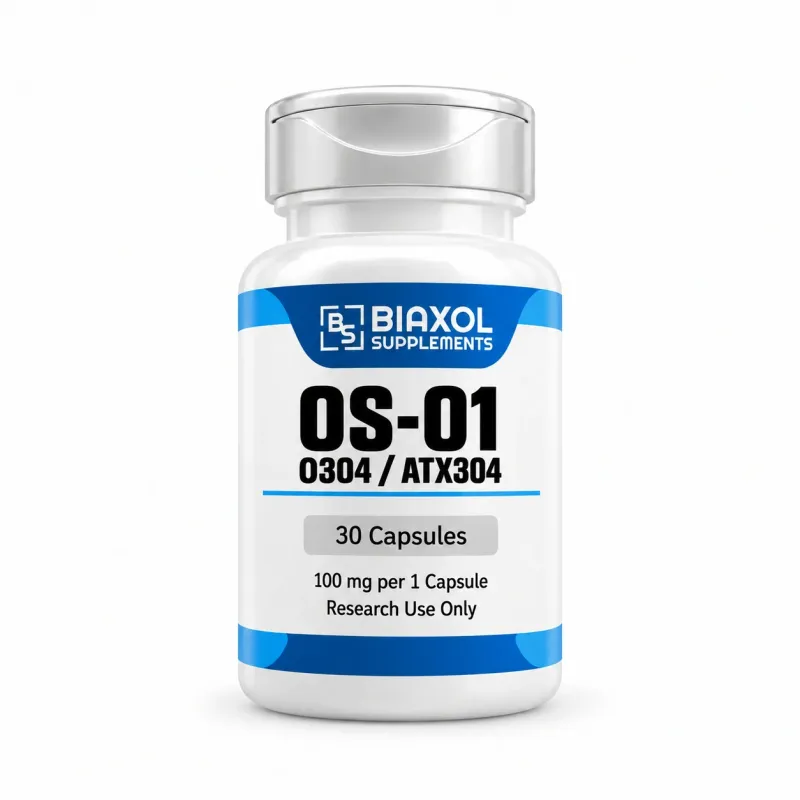 OS-01 100mg/30capsIn den WarenkorbUrsprünglicher Preis war: €220,00€165,00Aktueller Preis ist: €165,00.