
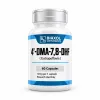
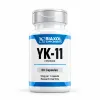
4’-DMA-7,8-DHF ( Eutropoflavin ) 10mg / 60 capsule
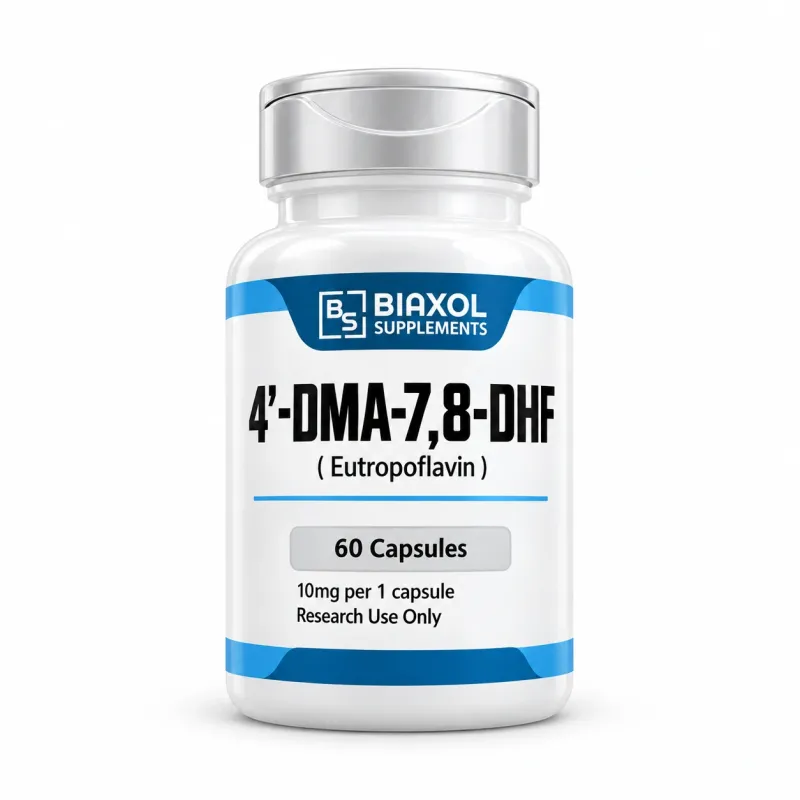
4’-DMA-7,8-DHF ( Eutropoflavin ) 10mg / 60 capsule
4'-DMA-7,8-DHF, also designated Eutropoflavin, is a synthetic flavonoid derivative studied for its potential to modulate TrkB receptor activity.
-25% auf alles – bis 31. Oktober
25% auf reguläre Preise statt anderer Angebote. Nur mit dem Krypto-Zahlungsrabatt kombinierbar.
Übersicht
4'-DMA-7,8-DHF, also designated Eutropoflavin, is a synthetic flavonoid derivative studied for its potential to modulate TrkB receptor activity. Research interest centers on its role in peptide-receptor signalling cascades, neurotrophic factor analogue research, and downstream kinase pathway investigation in controlled laboratory environments.
Research applications include TrkB receptor pharmacology, neurotrophic signalling pathway studies, and comparative flavonoid receptor-modulator research.
- High Purity – 99% Purity Guaranteed
- Independently Lab Tested
- Research Grade Quality
- For Laboratory Research Use Only
Eigenschaften
| Chemical Formula | C17H15NO4 |
|---|---|
| Synonyms | Eutropoflavin, 4'-Dimethylamino-7,8-dihydroxyflavone, 2-(4-(Dimethylamino)phenyl)-7,8-dihydroxy-4H-chromen-4-one, 4'-DMA-7,8-DHF |
| Molar Mass | 297.30 g/mol |
| CAS Number | 1205548-04-4 |
| PubChem CID | 44610701 |
| Total Compound Content | 600mg (10mg per capsule) |
| Shelf Life | 36 months |
Forschung
4'-DMA-7,8-Dihydroxyflavone (Eutropoflavin) is studied as a synthetic flavonoid derivative with proposed TrkB receptor modulating activity. Research models examine its proposed role in peptide-receptor signalling cascades, drawing comparison to endogenous neurotrophic factor signalling pathways, and its downstream effects on kinase cascades implicated in receptor-mediated cellular signalling. As a structurally modified flavonoid, comparative research has examined how its substitution pattern relative to the parent flavone scaffold may influence receptor interaction characteristics relative to other flavonoid-class research compounds. Independently third-party HPLC-tested; COA available per batch.FAQ
Q: What cell-based assays are used to study 4'-DMA-7,8-DHF's proposed TrkB receptor modulating activity?
Cell lines expressing TrkB receptor constructs are used in receptor engagement and downstream signalling assays, typically measuring receptor dimerization, autophosphorylation status, and activation of downstream kinase cascades following compound exposure. Comparative assays against established neurotrophic factor reference standards allow researchers to characterise the relative signalling profile produced by 4'-DMA-7,8-DHF exposure within the TrkB receptor research framework.
How does 4'-DMA-7,8-DHF's flavonoid structure relate to its proposed receptor-modulating research profile?
As a structurally modified flavonoid derivative, 4'-DMA-7,8-DHF is studied within structure-activity relationship research examining how specific substitutions on the flavone scaffold influence receptor interaction characteristics. Comparative research across structurally related flavonoid compounds allows investigation into which structural features are associated with TrkB pathway engagement, informing broader flavonoid-class receptor pharmacology research.
What downstream kinase pathway readouts are used in 4'-DMA-7,8-DHF receptor signalling research?
Western blot and phospho-specific antibody assays measuring activation status of downstream kinase intermediates in receptor signalling cascades are standard readouts used in cell-based models following compound exposure, allowing researchers to characterise which signalling branches are engaged. These molecular readouts are typically paired with functional cellular assays relevant to the specific research model under investigation.
Die Hilfsstoffe der Kapsel sind in den verfügbaren Produktunterlagen nicht angegeben.
Ähnliche Produkte
-
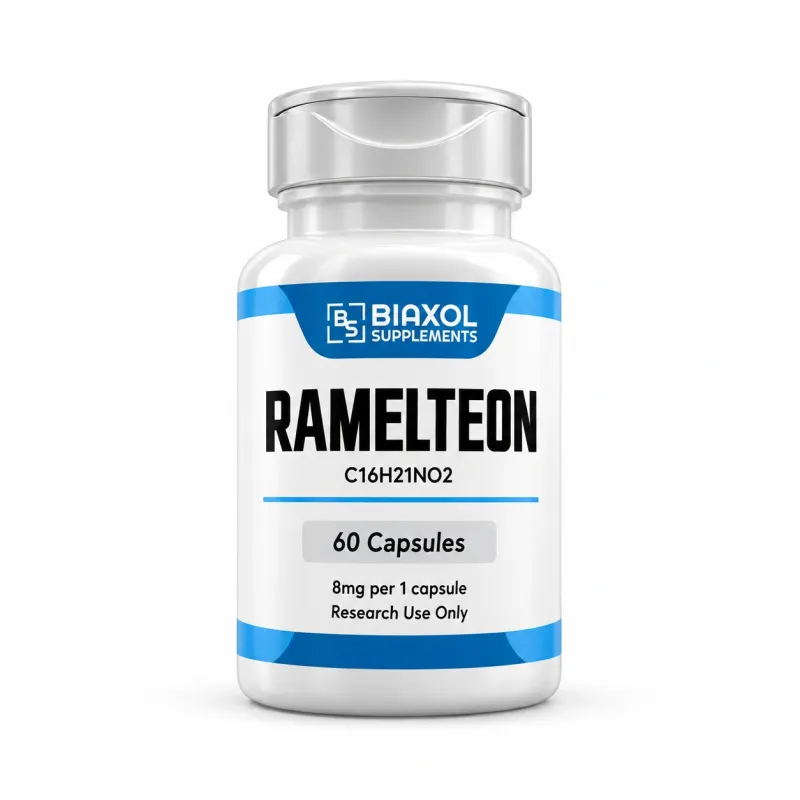 Ramelteon 8mg/capsule, 60 capsIn den WarenkorbUrsprünglicher Preis war: €65,95€49,46Aktueller Preis ist: €49,46.
-
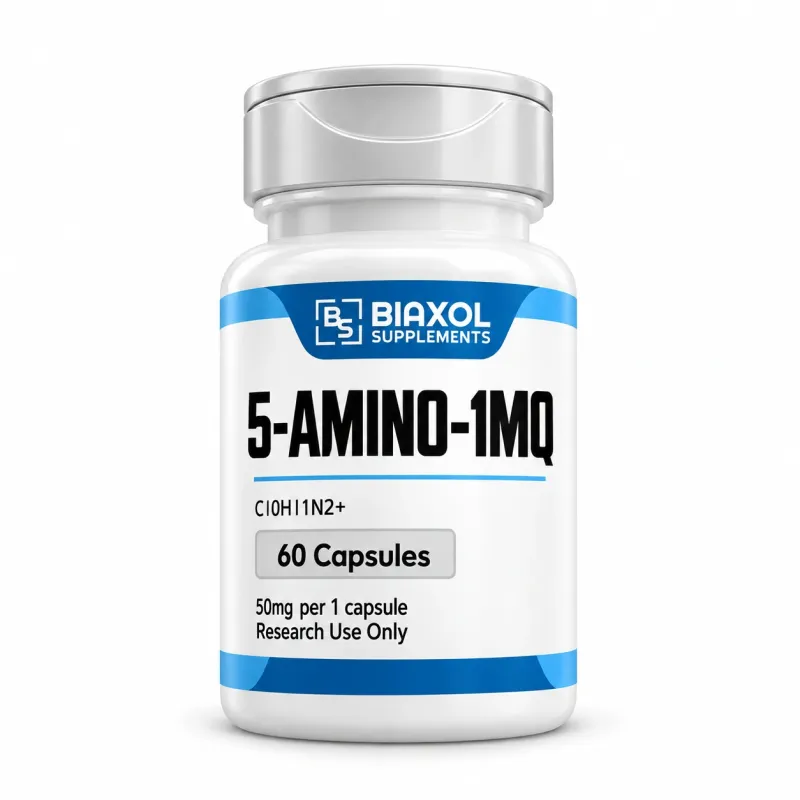 5-Amino-1MQ 50mg/capsule, 60 capsIn den WarenkorbUrsprünglicher Preis war: €119,99€89,99Aktueller Preis ist: €89,99.
-
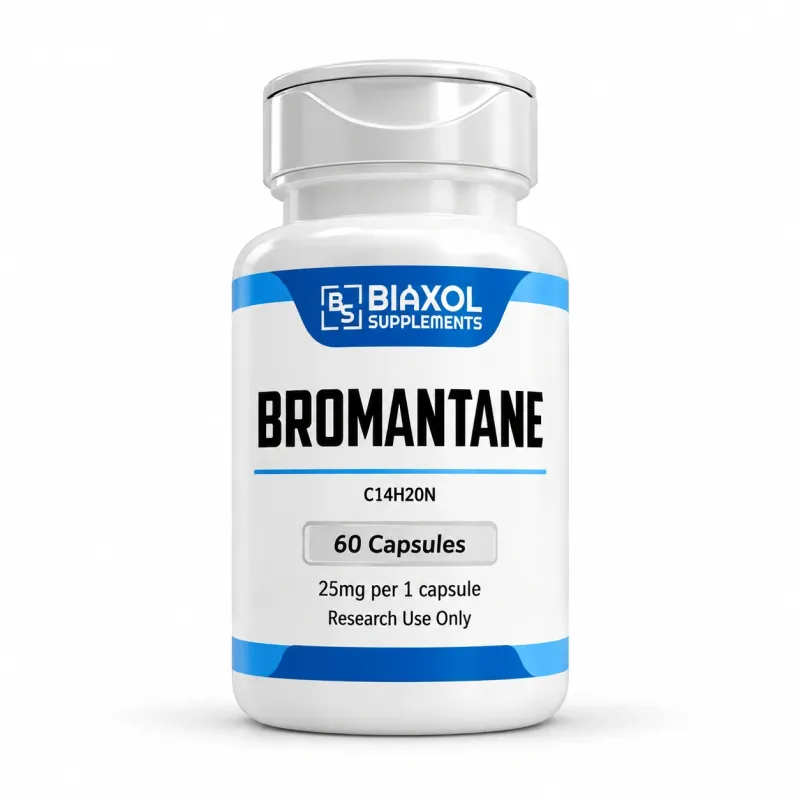 Bromantane (25mg/capsule), 60 CapsulesIn den WarenkorbUrsprünglicher Preis war: €59,99€44,99Aktueller Preis ist: €44,99.
-
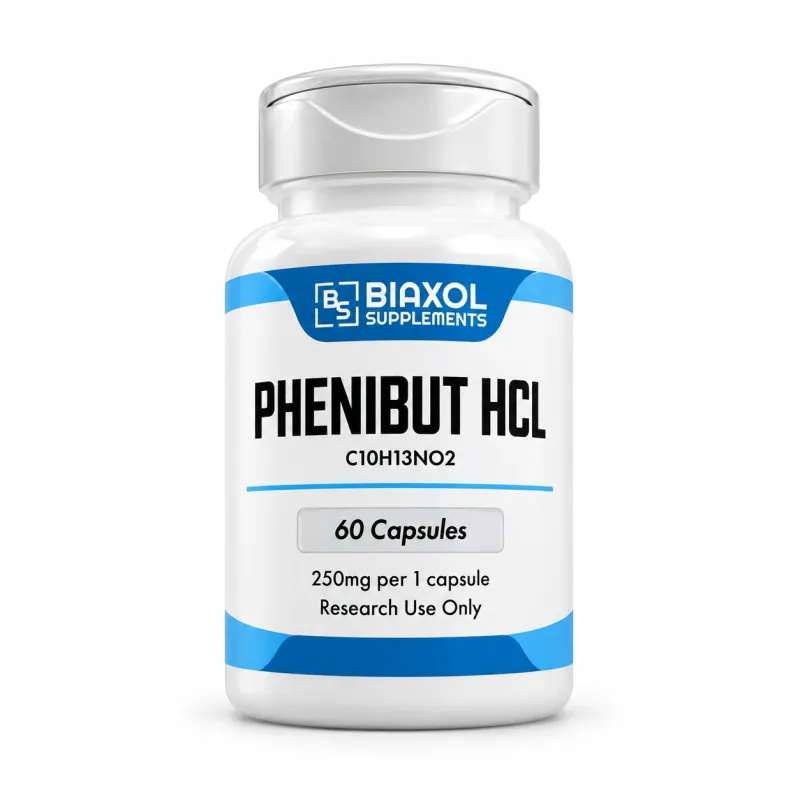 Phenibut HCL (250mg/capsule), 60 CapsulesIn den WarenkorbUrsprünglicher Preis war: €24,99€18,74Aktueller Preis ist: €18,74.